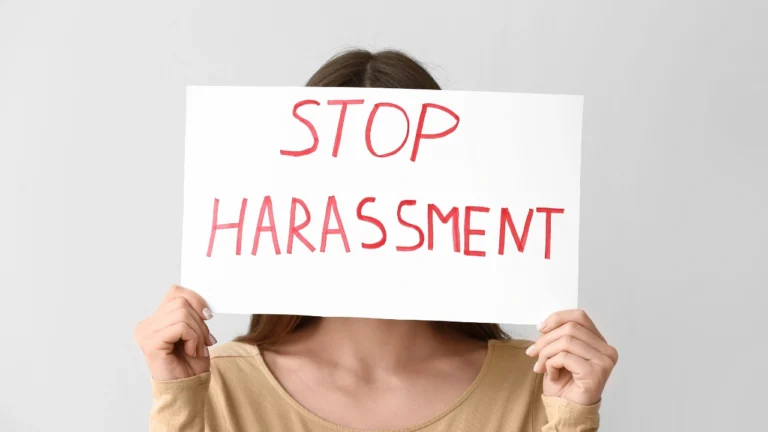




Across the United States, consumers frequently find themselves stressed and confused when debt collection calls begin without warning. While some collection activity is lawful and informational, many people report that communication quickly becomes repetitive, intrusive, or difficult to understand. Individuals who receive contact from National Recovery Agency often describe a pattern of repeated phone calls or letters that continue even after they ask for written clarification or additional time to review the situation. When communication begins to interfere with daily life, consumers naturally start looking for ways to stop National Recovery Agency harassment and regain control over their peace of mind.
Debt collection harassment does not always mean that a consumer has deliberately avoided payment. Accounts may be transferred because of billing disputes, administrative errors, insurance issues, or outdated account records. Federal consumer protection laws exist to ensure that collection efforts remain fair, accurate, and respectful. This guide explains who this collection agency is, why you may be hearing from them, what legal rights protect you, and how to respond in a structured and confident manner. Understanding these protections allows consumers to avoid panic, prevent costly mistakes, and take informed steps toward resolution.
Who National Recovery Agency Is and How the Company Operates
Many consumers do not immediately recognize the name National Recovery Agency when contact begins. The company operates as a third party debt collection agency that works with creditors after internal billing efforts have ended. These accounts may originate from healthcare providers, utilities, telecommunications companies, financial service providers, or other consumer related businesses.
Once an account is placed for collection, the agency receives limited information such as the consumer’s name, last known contact details, and a balance they are instructed to recover. Representatives then begin contacting consumers by phone or mail in an effort to collect the claimed amount. Their authority is limited to collection activity and does not include the power to issue judgments, garnish wages, or impose criminal penalties.
Collectors must follow strict federal guidelines when communicating with consumers. They are required to provide accurate information, identify themselves properly, and respect communication boundaries. When these standards are ignored, contact may escalate into National Recovery Agency harassment, which many consumers describe as overwhelming or disruptive.
Why You May Be Receiving Calls or Letters

There are many reasons a consumer may receive collection notices, and not all situations involve clear responsibility. In some cases, an unpaid balance was transferred after multiple billing notices went unanswered. In other situations, consumers believed an issue had been resolved, only to later learn that a remaining balance was sent to collections.
Medical billing confusion is a common cause. Insurance adjustments may take time, and accounts are sometimes transferred before claims are fully processed. Administrative errors can also occur when automated systems mark accounts incorrectly or when outdated information is shared between companies. Identity theft and mistaken identity may also result in collection attempts against individuals who do not owe the debt.
No matter the reason, consumers are never required to accept a claim without verification. You always have the right to request documentation and review the details before discussing payment or responsibility. Taking this step early can prevent unnecessary stress and confusion.
➡️ How Late Can Debt Collectors Call? — Why It’s Illegal For Them To Love Calling at Night
How to Verify Whether the Contact Is Legitimate
Before engaging in detailed discussions, it is important to confirm that the contact is legitimate. Debt collection scams have increased significantly, and impersonators often rely on fear and urgency to pressure consumers into immediate payment.
If you receive a call, request written correspondence and independently verify the National Recovery Agency phone number using reliable sources. Legitimate collectors will provide clear contact information and allow time for review. Caller ID alone should never be relied upon, as phone numbers can be manipulated.
Avoid sharing sensitive personal or financial information until you are confident the contact is genuine. Verification protects you from fraud and ensures your response is informed rather than emotional.
➡️ Debt Collectors Using Text Messages to Harass You
Understanding When Collection Activity Becomes Harassment

Not every collection call qualifies as harassment, but federal law clearly defines boundaries. National Recovery Agency harassment occurs when communication becomes excessive, misleading, threatening, or ignores reasonable consumer requests. This may include repeated calls within short time periods, continued contact after written disputes, or refusal to provide documentation.
Harassment is typically identified through patterns rather than isolated incidents. The frequency of calls, the tone used, the timing of contact, and whether boundaries are respected all matter. Recognizing these patterns allows consumers to document behavior accurately and respond using legal protections instead of reacting under pressure.
Consumer Rights Under the Fair Debt Collection Practices Act
The Fair Debt Collection Practices Act was created to protect consumers from abusive or deceptive collection practices. This federal law applies to third party collectors and establishes strict rules governing communication and conduct.
Collectors cannot threaten arrest, misrepresent legal consequences, or use abusive language. They must clearly identify themselves and provide written notice of the debt. Consumers have the right to dispute a debt in writing, and once a dispute is submitted, collection activity must pause until proper verification is provided.
These protections exist to ensure fairness and transparency. When collectors fail to follow these rules, consumers may have grounds for further action.
Why Careful Documentation Is Essential
Maintaining detailed records is one of the strongest ways to protect yourself during a collection dispute. Documentation allows you to track communication patterns and establish a clear timeline if contact escalates.
Consumers should record call dates, times, phone numbers, representative names, and summaries of conversations. Letters, envelopes, and voicemails should be saved. Organized documentation helps reduce stress and provides valuable support if you later dispute credit reporting or seek legal assistance.
How to Request Written Validation and Pause Collection Activity

One of the strongest protections available to consumers is the right to request written validation of a debt. When contact begins from National Recovery Agency and the balance is unfamiliar, unclear, or disputed, you are legally entitled to ask for documentation before taking any further action. This request should always be made in writing so there is a clear record of your request and the agency’s response.
Once a written validation request is received, collection activity must pause until proper verification is provided. This pause includes phone calls, letters, and other collection attempts. The validation should clearly identify the original creditor, explain how the balance was calculated, and confirm that the agency has the authority to collect the debt. If contact continues without validation, this behavior may indicate National Recovery Agency harassment and potential violations of consumer protection laws.
Written validation protects consumers from paying debts that may be inaccurate, outdated, already settled, or not legally enforceable. It also transforms the situation from an emotional experience into a structured process governed by clear rules.
How to Control Communication and Reduce Ongoing Stress
Repeated phone calls can quickly become disruptive and emotionally draining. Federal law allows consumers to control how collectors communicate with them. If phone contact becomes overwhelming, you may request that all future communication occur only through written correspondence.
Written communication offers several advantages. It eliminates pressure tactics that often occur during live calls, provides time to review information carefully, and creates a documented record that can be referenced later. Once National Recovery Agency receives a written request limiting communication, they are required to respect that boundary. Continued calls after such a request may qualify as harassment.
Taking control of communication does not mean avoiding responsibility. It is a lawful and reasonable way to manage the situation calmly and responsibly.
➡️ Stop Fingerhut Phone Harassment & Robocalls Today
Using a Cease Communication Letter When Contact Will Not Stop

If written-only requests are ignored and communication continues, a cease communication letter may be the next step. This letter formally instructs the collector to stop contacting you entirely. After receiving it, the agency may only contact you to confirm that communication will stop or to notify you of actual legal action.
A cease communication letter should be sent using a method that provides proof of delivery, and copies should be kept for your records. Continued contact after receipt may clearly demonstrate National Recovery Agency harassment and strengthen your position if further action is required.
This option is most effective when collectors repeatedly ignore clear boundaries.
How Collection Activity Can Affect Your Credit Report
Collection accounts may appear on a consumer’s credit report even when the debt is disputed or incorrect. If an account connected to National Recovery Agency appears on your credit report, you have the right to dispute it directly with the credit reporting agencies.
Your dispute should explain why the information is inaccurate and include copies of validation requests or correspondence. Credit bureaus are required to investigate disputes and remove or correct information that cannot be verified. If the agency cannot substantiate the account, it should not remain on your report.
Taking action early helps prevent long-term financial damage. Incorrect collection entries can affect loan approvals, housing opportunities, and interest rates if left unresolved.
Recognizing Misleading Statements and Pressure-Based Language
Some collectors rely on urgency and fear to pressure consumers into immediate payment. Statements suggesting arrest, immediate lawsuits, wage garnishment, or severe consequences are often misleading. Legitimate legal action requires formal notices, documentation, and court involvement.
If representatives from National Recovery Agency make statements that cause panic or confusion, those statements should be documented carefully. Misrepresentation of legal authority or consequences may violate federal law and support claims of harassment.
Understanding what collectors can and cannot legally do allows consumers to respond with confidence instead of fear.
➡️ United Tranzactions Phone Harassment
Practical Consumer Safeguards You Can Apply Immediately

Consumers can protect themselves by following a structured and consistent approach when dealing with collection agencies. Effective safeguards include:
- ➡️ Keeping a detailed written log of all communication
- ➡️ Requesting written validation promptly
- ➡️ Limiting communication methods when necessary
- ➡️ Using cease communication letters if boundaries are ignored
Applying these steps consistently helps reduce stress and creates a clear record if further action becomes necessary.
Debt Collection Harassment Attorneys Are Here to Fight for You
When Legal Assistance Becomes the Best Option
Some collection issues resolve once documentation and communication limits are applied. Others persist despite consumers following every step correctly. Legal assistance should be considered when contact continues after disputes, when inaccurate credit reporting remains unresolved, or when harassment interferes with daily life and emotional wellbeing.
An attorney can communicate directly with National Recovery Agency, identify violations of consumer protection laws, and take action to enforce your rights. Legal representation often results in faster resolution and an immediate reduction in unwanted contact.
How Consumer Rights Law Firm PLLC Can Help Stop Harassment

You do not have to manage disputes with the National Recovery Agency alone. Professional legal support can simplify the process and protect your rights.
Consumer Rights Law Firm PLLC
📌 133 Main Street
Second Floor
North Andover Massachusetts 01845
📞 Phone 877 700 5790
The National Recovery Agency firm assists consumers by reviewing documentation, identifying potential violations, communicating directly with collection agencies, and pursuing legal remedies when appropriate. Their focus is on stopping harassment, correcting inaccurate information, and restoring peace of mind.
Success Stories
- 🏆 I was constantly getting harassed by debt collectors, and it was affecting my peace of mind. Consumer Rights Law Firm PLLC stepped in, explained my rights clearly, and took immediate action. Within weeks, the calls stopped. I can’t thank them enough!
- 🏆 When I contacted Consumer Rights Law Firm, I didn’t expect much—just another law firm. But they surprised me! They filed a case on my behalf and negotiated a great settlement. I even got compensation for the harassment. Highly recommended.
- 🏆 I was getting daily robocalls from a collection agency. Consumer Rights Law Firm PLLC sent them a cease-and-desist letter and started the legal process. The calls stopped almost immediately. These folks know the law and how to use it to protect you.
FAQs
Why is the National Recovery Agency contacting me❓
National Recovery Agency may believe you owe a balance transferred from another company, even if the information is outdated or incorrect.
Do I have to speak with National Recovery Agency on the phone❓
No. You may request written communication only.
Can I dispute the debt❓
Yes. You have the right to request validation and dispute the claim in writing.
Can National Recovery Agency contact my workplace❓
Only until you tell them not to. Continued workplace contact may violate the law.
Can they affect my credit report❓
Collection accounts can impact credit, but inaccurate entries can be disputed and corrected.
Should I consult an attorney❓
If contact continues or feels abusive, legal assistance can help stop it.
Conclusion
Debt collection does not have to control your life or create constant stress. When communication from National Recovery Agency becomes overwhelming or confusing, understanding your rights allows you to respond strategically rather than emotionally. Through documentation, written disputes, communication limits, and legal protections, consumers can stop unwanted contact and correct errors.
If boundaries are ignored and harassment continues, professional legal support provides a clear and effective path forward. With the right guidance, you can protect your rights, restore peace of mind, and move forward with confidence.