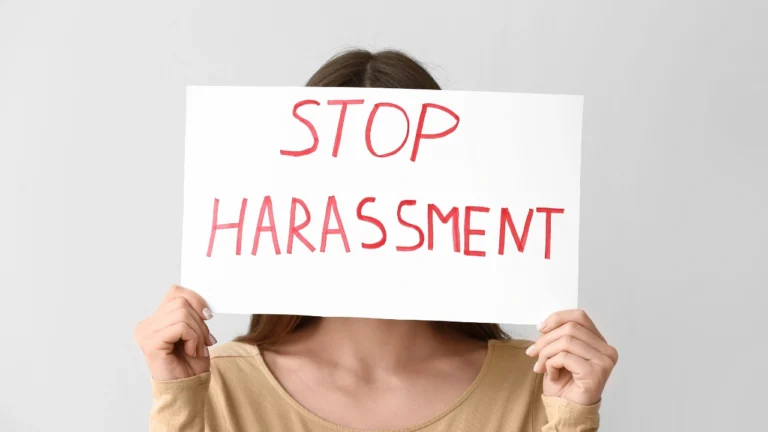




When collection calls start unexpectedly, it can create stress, confusion, and frustration, especially when the company contacting you is known for handling rental related debts, move out charges, and apartment account disputes. This is what many individuals experience when calls or letters begin arriving from FCO Collections, one of the most well known collection agencies in the housing industry. Former tenants, current renters, and even individuals who never lived at a property sometimes find themselves facing sudden demands for payment. When communication becomes repetitive, unclear, or aggressive, many consumers describe it as FCO Collections Harassment, particularly when the company refuses to provide documentation or continues calling after disputes. This guide offers a complete explanation of why FCO Collections contacts consumers, how the collection process works, how to verify the legitimacy of the debt, how to stop unwanted communication, and how to protect yourself using federal laws designed to prevent harassment and ensure fairness in the debt collection process.
Understanding Who FCO Collections Really Is
To understand how to respond, you must first understand the company contacting you. FCO Collections Agency, also known as Fair Collections and Outsourcing, is a major third party collection company that specializes in debts connected to rental housing, property managers, apartment associations, and utility providers connected to residential housing. They frequently pursue balances tied to move out charges, carpet replacement fees, cleaning fees, repairs, broken leases, unpaid rent, and damages reported by property managers. Because they work with large property management groups, they receive thousands of accounts each month, and not all of them are accurate.
Many former tenants have discovered that property managers assigned debts before reviewing the move out inspection properly, resulting in inaccurate collection attempts. Others have found that their security deposit was not applied correctly, causing a false balance. Some renters report never receiving a final bill before FCO Collections contacted them. Because rental debts are prone to errors, consumers must be extremely careful when dealing with this agency and must request full validation before agreeing to anything.
➡️ Text Messages from Collection Agencies: Know Your Rights
Why You May Be Hearing From FCO Collections

There are several reasons why you may receive communication from FCO Debt Collection. Property managers often transfer unpaid balances to collection agencies without communicating with tenants first. This means you might hear from FCO before receiving any explanation of the charges. Sometimes a property management company sells its accounts to a new owner, and during this transition errors occur. Old ledger entries may be reopened, and debts that were previously resolved may reappear.
Another common reason is identity confusion. If someone with a similar name lived in the same apartment community or if records were not updated properly, FCO Collections may contact the wrong person. Mistakes also occur during move out inspections. Property managers sometimes charge tenants for damages that were already present or for repairs performed as part of routine turnover. FCO may also receive accounts after months of inactivity, making the charges harder to confirm. Regardless of the reason, you must verify all details before discussing payment.
Why Verification Is the First Step in Protecting Yourself
Never trust a call unless you have verified the caller independently. Scammers frequently impersonate collection agencies, and they may use the name FCO Collections Agency to create fear and urgency. Before sharing personal information, compare the caller’s details with a legitimate FCO Collections Phone Number listed on a written notice or on an official website. Ask the caller to send written validation and avoid discussing the debt until you receive it.
Verification protects you from identity theft and from paying a debt that may not be legitimate. Real collectors must follow federal law and must provide documentation, including itemized charges, the name of the property, the date of move out, and any supporting statements. Never rely on verbal explanations alone. If the caller becomes impatient or refuses to provide written proof, treat the communication as suspicious and end the call immediately.
When Collection Behavior Becomes Harassment
It can be difficult to determine when communication shifts from normal collection activity to harassment. Many consumers report receiving repeated calls throughout the day, messages that feel threatening, or letters containing vague or confusing information. If FCO Collections contacts you after you have disputed the debt or continues calling after you request written communication only, this behavior may qualify as harassment.
Harassment can also occur when the agency misrepresents the amount owed, uses intimidating language, demands immediate payment, or contacts other people about your debt. Some consumers report that FCO Collections employees spoke disrespectfully or avoided answering questions about the charges. Others report receiving notices that did not match their move out documents. Harassment does not need to involve yelling. Any pattern of communication that causes stress, confusion, or fear may violate federal consumer protection laws.
Your Federal Rights During Collection Activity

Federal law protects consumers from unfair treatment. The Fair Debt Collection Practices Act regulates the behavior of collectors, including FCO Debt Collection teams. Under this law, collectors cannot call very early in the morning or late at night, cannot threaten actions they do not intend to take, cannot misrepresent the details of the debt, cannot add unauthorized fees, cannot discuss your debt with third parties, and cannot ignore your written request to stop calls.
You also have the right to dispute the debt and request validation. Once you submit a written validation request, FCO must stop collection until proof is provided. These protections allow you to manage the situation calmly and prevent collectors from using intimidation. Understanding your rights helps you respond confidently and protect yourself from misconduct.
Documenting Every Interaction Strengthens Your Protection
Keeping detailed records is one of the most powerful steps you can take. Write down every call you receive from FCO Collections, including the date, the time, and the details of the conversation. Save all letters, emails, and voicemail messages. Take photos or scans of your move out documents, your lease agreement, your payment records, and any emails you exchanged with your property manager.
Documentation protects you during disputes and helps you demonstrate patterns of behavior if you need to file complaints. Many consumers discover inconsistencies in the collector’s explanations because the representative may not have access to the complete property records. Having your own documentation ensures you can challenge errors effectively and prevents the collector from using confusion or intimidation to force payment.
FCO Collections Help: Stop Harassment & Verify Debts
Requesting Written Validation of Any Rental Debt
When you request written validation, FCO Collections Agency must provide proof that the debt is legitimate. This includes move out statements, itemized charges, copies of inspection reports, damage photos, and payment ledgers. If any documentation is missing, unclear, or contradictory, you can dispute the debt in writing. Once FCO Collections receives your dispute, they must investigate the issue. If the debt cannot be verified, they are required to stop collection efforts.
Validation helps uncover mistakes such as double billing, incorrect repair charges, duplicate fees, misapplied deposits, or charges for damages that were already present. Never agree to pay anything until you receive and review full documentation. Rental debts are notoriously inaccurate, and validation is your strongest defense.
How to Shift All Communication to Written Mail
If phone calls from the agency have become overwhelming, one of the most effective actions you can take is to require written communication only. When you ask FCO Collections for written correspondence, you remove the possibility of high pressure calls, rushed explanations, or miscommunication from different representatives. Written contact forces the agency to clearly outline the details of the debt, including the charges they claim are owed and the documentation they believe supports those charges. This format also creates a permanent record, allowing you to save every letter for future reference. When communication arrives in writing, you have time to read calmly, compare the information to your own records, and seek advice before responding. Written communication also helps filter out misinformation or emotional pressure, giving you control over the entire process and allowing you to stay organized and protected.
How to Stop Dovenmuehle Mortgage Inc Harassment
How to Stop All Phone Calls Legally
If the agency continues calling after disputes or calls multiple times per day, you can legally stop all phone contact through a written cease communication request. Once the FCO Collections Agency receives this request, they must stop calling you entirely and send future communication only as allowed by law. Many consumers experience immediate relief when calls stop, because stressful interruptions disappear and there is more time to manage documents and prepare responses properly. If calls continue after your written request, document each one. Every unwanted call becomes evidence of improper conduct and may be used in complaints or legal cases. Stopping phone calls allows you to shift the process into a slower, more controlled environment and prevents collectors from overwhelming you with repeated attempts to force payment.
Protecting Your Credit From Rental Collection Errors

Rental related debts can cause serious damage to your credit when reported incorrectly. If FCO Debt Collection reports a false balance to credit bureaus, your credit score may drop significantly. This can affect your ability to rent future housing, qualify for loans, secure employment, or receive favorable insurance rates. You should review your credit report regularly and look for any collection accounts related to properties you once lived in. If you find an error, you can dispute the entry with the credit bureaus. Provide documentation such as your move out inspection, payment receipts, deposit ledger, or settlement letters. The bureaus must investigate your dispute and remove any entry that cannot be verified. Rental debts are especially prone to errors because property management companies may send incomplete or inaccurate information. By disputing incorrect entries promptly, you protect your financial future and stop harmful reporting from affecting your life.
How to Recognize Misleading or False Statements
Collectors sometimes use language that creates fear or urgency. If a representative from FCO Collections claims that you must pay immediately or threatens severe consequences without providing documentation, remain calm and request debt validation letter. Some collectors attempt to pressure consumers into paying amounts that do not match the original charges or fees. Others may misinterpret property rules or misstate legal rights, especially regarding what landlords can and cannot charge after moving out. Misleading statements are red flags that should prompt you to halt the conversation and insist that everything be provided in writing. A legitimate collector will not object to written communication. False statements, vague explanations, or aggressive tone may indicate that the representative is attempting to rush you into paying without giving you the opportunity to validate the account.
What to Do When the Debt Does Not Belong to You
Many consumers receive notices from FCO Collections Agency about accounts that are entirely incorrect. This happens frequently in the rental industry due to mixed records, outdated tenant files, wrong apartment numbers, or confusion during property ownership changes. If the debt does not match your records, request validation immediately. Compare the documents they send with your own lease agreement, payment receipts, and move out inspection. If the information is not yours, submit a written dispute explaining the error. You may also need to contact the property manager to verify their records. If the account was assigned in error, FCO must correct or remove it. Never ignore a notice simply because you believe it is wrong. Prompt action prevents inaccurate reporting and stops unnecessary collection activity from affecting your credit or financial stability.
How Identity Theft Can Trigger Incorrect Collection Attempts

Identity theft is a common reason why consumers receive wrongful collection notices. A person using stolen personal information may create accounts, sign leases, or cause charges that later become collection accounts. When this happens, you might be contacted by FCO Debt Collection even though you had no involvement with the charges. If you suspect identity theft, file an identity theft report and request full validation of the debt. Provide the collector with documentation showing the theft and send disputes to the credit bureaus. You may also freeze your credit to prevent additional fraudulent activity. Once the collector receives proof, they must stop attempting to collect the fraudulent debt. Taking quick action protects you from serious consequences such as damaged credit, legal disputes, or repeated collection attempts.
What BBB Complaints Reveal About Consumer Experiences
The Better Business Bureau contains numerous complaints filed against FCO Collections, and these complaints provide insight into common consumer frustrations. Many individuals report that they were charged for damages not identified during move out or for repairs that should have been covered by their security deposit. Others mention that FCO pursued debts that were already paid or settled. Some consumers state that the agency ignored their disputes or failed to provide proper documentation after repeated requests. Several complain that the company continued contacting them even after they requested written communication only. These patterns show that disputes often arise from incorrect property records or outdated move out charges. Understanding these complaints helps consumers anticipate potential problems and prepare strong documentation before responding to any collection notice.
When and How to Escalate Your Complaint
If FCO Collections Agency refuses to validate the debt, continues calling after your written request, misreports information to the credit bureaus, or provides inconsistent explanations, escalation may be necessary. Consumers can file complaints with the , the Federal Trade Commission, or the attorney general in their state. These agencies track patterns of misconduct and require companies to respond. You can also dispute credit reporting errors directly with the credit bureaus. When providing evidence, include copies of validation requests, lease documents, move out records, emails from property managers, and any written communication with FCO Collections. Escalation is especially important when the collection attempt appears fraudulent, inaccurate, or unverified. Your documentation will help regulators review your case and may lead to faster resolution.
How Consumer Rights Law Firm PLLC Helps Protect You

Legal assistance can be essential when dealing with aggressive or inaccurate collection activity. A consumer rights attorney can communicate directly with FCO Collections, stop unwanted calls, demand written proof, dispute inaccurate reporting, and protect your federal rights under consumer protection laws. Attorneys understand rental debt issues and know how to challenge improper charges, double billing, misapplied deposits, and incorrect move out fees. If FCO refuses to cooperate or continues harassment, a legal professional can help you take further action to protect your credit and peace of mind.
Consumer Rights Law Firm PLLC
📌 133 Main Street Second Floor
North Andover Massachusetts 01845
📞 Phone 877 700 5790
✉ Email help@consumerlawfirmcenter.com
This firm helps consumers facing rental debt collection harassment, credit damage, and improper collection attempts.
Success Stories
- 🏆 “I was being harassed day and night by a debt collector from a company I had never even heard of. Consumer Rights Law Firm PLLC stepped in immediately, explained my rights, and took action. Within days, the calls stopped, and I felt like I could breathe again. I can’t thank them enough for the peace of mind they’ve given me!”
- 🏆 “From the moment I contacted Consumer Rights Law Firm PLLC, they treated my case with urgency and empathy. They helped me understand that the collector was violating the FDCPA and filed a complaint on my behalf. I ended up receiving a settlement, and I no longer get harassed. Highly recommended!”
- 🏆 “After months of nonstop calls and threats from a collection agency, I was losing hope. Then I found Consumer Rights Law Firm PLLC. They handled everything from start to finish, and I didn’t have to pay a dime upfront. Not only did they stop the harassment, but they also got me compensation. These guys are the real deal!”
- 🏆 “I had no idea what to do when I started getting robocalls demanding payment for a debt I didn’t owe. A friend recommended Consumer Rights Law Firm PLLC, and I’m so glad I reached out. They took my case seriously, kept me informed, and made sure the calls ended. Great experience overall!”
FAQs
Why is FCO Collections contacting me❓
They may be contacting you about rental charges, move out fees, or property related debts assigned by a landlord or property manager. Always request written validation to confirm accuracy and legitimacy.
How do I verify a real call from FCO Collections❓
Use only an official FCO Collections Phone Number found on written notices or legitimate websites. Do not rely on caller identification. Ask for written proof before discussing any account information.
Can FCO call me multiple times a day❓
Repeated calls meant to pressure, annoy, or intimidate you may be considered harassment. You can document each call and request written communication only to stop unwanted phone contact entirely.
What should I do if the charges seem wrong❓
Request validation and compare itemized charges to your lease, move out inspection, and deposit records. If information does not match your documents, dispute the debt in writing and request investigation.
Can FCO Collections contact my employer❓
They cannot disclose your debt to your employer. If you request no workplace calls, they must stop. Any communication should be respectful and directed to you through mail to maintain privacy.
How do I stop FCO from calling completely❓
Send a written cease communication request. Once received, the agency must stop calling you. If they ignore your request and continue calling, each call becomes evidence of improper conduct.
Can FCO reporting errors harm my credit❓
Yes, inaccurate collection entries can damage your credit score. You can dispute these errors with the credit bureaus and provide documents proving the account is incorrect, settled, or invalid.
What if the debt is not mine❓
Request full validation, compare documents, and file disputes if needed. Identity mix ups or landlord errors happen often. Provide proof and escalate to regulators if the agency fails to correct the issue.
Can FCO refuse to send validation❓
No, collectors must provide written proof of the debt. If they refuse or delay, escalate your complaint to federal agencies and document all communication to support your case effectively.
Should I hire a lawyer if harassment continues❓
Yes, legal support can stop harassment, dispute inaccurate charges, enforce your rights, and guide you through credit corrections if FCO Collections fails to follow proper procedures or continues improper communication.
Conclusion
Rental collection activity is stressful, especially when communication becomes repetitive, aggressive, or confusing. Consumers deserve clear information, proper documentation, and respectful treatment. When FCO Collections fails to validate a debt, misreports information, or continues calling after written requests, this behavior may qualify as harassment. Federal law gives you the right to dispute inaccuracies, demand validation, and stop unwanted communication. With organized documentation and timely action, you can protect your credit, challenge incorrect charges, and regain control of your financial situation. If the agency continues to behave improperly, legal assistance can help ensure your rights are protected and put an end to the harassment. Understanding your rights allows you to move forward confidently and prevent rental collection issues from disrupting your life.