



When debt collectors begin reaching out unexpectedly, the stress can quickly take over your daily routine. This is exactly what many consumers experience when they start receiving repeated phone calls or letters from Financial Credit Network Inc, a company known for handling medical debt, utility bills, and service related accounts. Because medical billing is often confusing, many people have no idea why they are being contacted or whether the balance is even accurate. When communication becomes persistent, unclear, or aggressive, people often describe the experience as Financial Credit Network Harassment, especially if calls continue after disputes or requests for written communication. This guide explains how the company operates, why you may be contacted, how to verify the legitimacy of the debt, how to stop unwanted calls, how to dispute inaccurate charges, and how to protect yourself using federal laws designed to stop harassment and unfair collection practices. Understanding your rights is the first step toward taking back control.
Understanding Who Financial Credit Network Inc Is
Before responding to any communication, it helps to understand exactly who you are dealing with. Financial Credit Network Inc is a third party debt collection agency that works with hospitals, clinics, dental offices, laboratories, government agencies, utilities, and small businesses. They often handle accounts that were never billed properly, were sent prematurely to collections, or contain errors because the original provider submitted incomplete information. Many consumers are surprised when this company contacts them because they believed insurance had already covered the charges or because they never received an original bill. Some people realize the charges were duplicates created by billing mistakes, while others discover they were assigned to the wrong patient profile. Because of this, verification and documentation are crucial before taking any action.
Why You May Be Receiving Collection Notices

There are several reasons why you may begin receiving communication or Financial Credit Network Calls even if the debt appears unfamiliar. Sometimes medical providers transfer unpaid accounts to collections before insurance finishes processing. Other times, providers submit billing codes incorrectly, leading to denied claims that eventually get passed to collection agencies. Mistakes in patient records can also trigger automatic forwarding of accounts long after the issue was already resolved. Another common scenario involves outdated or incorrect contact information. If a provider sent bills to an old address, you may only learn about the balance once the account reaches collections. Consumers also encounter identity mix ups stemming from similar names, transposed digits in account numbers, or clerical mistakes. Since these errors happen frequently, you should never assume the information is accurate until it is fully validated.
➡️ Text Messages from Collection Agencies: Know Your Rights
Why Verification Is Necessary Before Discussing Anything
Scammers often impersonate legitimate agencies, so verification must always be your first step. Never share personal information until the caller proves they are genuinely with Financial Credit Network Collections. Check the communication against an official Financial Credit Network Phone Number from a mailed notice or a verified website. Ask for a written validation notice, which all legitimate collectors must provide. If the caller refuses or becomes impatient, end the call immediately. Verification protects you from fraud, identity theft, and incorrect billing. It also ensures that you are speaking with the actual agency rather than a scammer posing as one. Until you receive proper documentation in writing, you should not discuss payment plans, personal details, or financial information.
When Communication Turns Into Harassment
Debt collectors are permitted to contact you, but only within strict legal limits. When contact becomes constant, rude, threatening, or misleading, consumers often describe the behavior as Financial Credit Network Harassment. Harassment includes calling repeatedly throughout the day, calling after you request written communication only, ignoring disputes, misrepresenting the amount owed, or using aggressive tone to force immediate payment. Some consumers report that representatives pressured them to pay even after admitting they could not send validation yet. Others say they were told to pay “just to stop the calls,” which is unacceptable. Harassment can also occur when calls continue early in the morning or late at night, or when communication is directed to your workplace despite a written request not to do so. Recognizing these patterns helps you respond confidently and take necessary steps to protect yourself.
Your Federal Rights Against Improper Collection Behavior

Federal law provides powerful protections for consumers dealing with third party collectors. The Fair Debt Collection Practices Act applies fully to Financial Credit Network Inc, and it prohibits many forms of misconduct. They cannot call at unreasonable hours, cannot threaten outcomes they cannot legally pursue, cannot pressure you for immediate payment without providing documentation, and cannot speak to anyone else about your debt. You also have the right to dispute the account and request complete validation. Once they receive your dispute, they must stop collection activity until written verification is provided. These rights ensure that you do not feel forced or intimidated into paying a debt you do not fully understand or may not actually owe. Understanding your protections gives you confidence to challenge improper actions and demand fair treatment.
The Importance of Documenting Every Interaction
Documentation is one of your strongest tools when dealing with a collection agency. Write down each call from Financial Credit Network Calls, including the time, the date, and the content of the conversation. Save all letters, emails, and voicemail messages. If statements from the collector contradict earlier information, your notes can help you clearly identify the inconsistency. Documentation is also essential if you later file complaints with regulators or dispute credit reporting errors. Keeping clear records protects you from harassment because you can prove the pattern of behavior if the situation escalates. Many consumers find that once they maintain thorough documentation, mistakes become easier to identify and resolve.
Why Written Validation Is Essential Before Paying Any Debt

Validation is one of your strongest legal protections. When you request debt validation letter, Financial Credit Network Collections must provide written proof that the debt is legitimate and accurate. This documentation often includes itemized charges, insurance adjustments, account notes, or billing statements from the original provider. Validation allows you to review the debt calmly and compare it with your own records. If the agency cannot validate the debt, they must stop collection attempts. Many consumers discover errors at this stage, especially when dealing with medical billing issues, which are frequently inaccurate. Never pay anything until written validation arrives. Verbal explanations are not sufficient proof, and only written documentation can confirm the legitimacy of the debt.
How to Shift Communication to Written Mail Only
One of the most effective steps you can take when dealing with a collector is to move all communication into written form. When you notify Financial Credit Network Inc that you prefer written correspondence, you create a slower, safer, and more organized environment for handling the situation. Written communication prevents misunderstandings that often occur during rushed phone conversations and eliminates the pressure collectors sometimes apply when speaking directly. It also creates a documented trail that you can refer back to whenever needed. This written record becomes important if the agency provides conflicting information or if a dispute needs to be escalated to regulators. Written communication ensures that every detail is recorded accurately, making it harder for the agency to misrepresent charges or timeline details. This method gives you full control over how and when you respond, and it allows you to compare their information to your own records without feeling overwhelmed.
➡️ Interactive Medical Services Harassment & Help
How to Stop All Phone Calls Legally
If contact from Financial Credit Network Calls becomes overwhelming, you can legally stop these calls by sending a written cease communication request. Once this request is received, the collector must stop calling you and may only communicate in limited ways allowed by law, typically through written mail. Many consumers feel immediate relief once the calls stop because the emotional strain of repeated interruptions disappears. If the agency continues to call after receiving your request, each unwanted call becomes evidence of improper behavior. This can support future complaints or legal claims if the situation escalates. Stopping phone calls gives you space to review your documents, understand the details of the account, and prepare responses without being pressured. It also ensures that any important communication arrives in a clear, documented format that cannot be denied later.
Protecting Your Credit From Inaccurate Medical or Utility Debts

Because Financial Credit Network Collections handles a large amount of medical and utility debt, errors often find their way onto consumer credit reports. Items may appear on your report without warning, with incorrect amounts, or with incomplete details. These negative entries can significantly affect your credit score and your ability to qualify for loans, rent housing, or obtain favorable insurance rates. You should review your credit report regularly and dispute any incorrect entries. Provide proof such as payment receipts, insurance claims, or letters showing the debt was resolved. The credit bureaus must investigate your dispute and remove any entry that cannot be verified. Medical billing errors are particularly common due to delayed processing, incorrect coding, and duplicate charges. Taking action early prevents these mistakes from causing long term financial harm. If the collector refuses to correct the information, your documentation becomes essential evidence for escalation.
How to Recognize Misleading or False Statements
Collectors sometimes use statements that create fear or urgency, especially when they believe it will push you to pay quickly. If a representative from Financial Credit Network Inc claims that you must pay immediately, that your credit will be harmed within hours, or that legal action is already underway, remain calm and request written documentation. Federal law prohibits collectors from making misleading statements or threatening actions they do not intend to take. If the representative avoids your questions, refuses to send validation, or provides vague explanations, treat these behaviors as red flags. Misleading statements often occur when the collector has incomplete information or is relying on a script rather than actual account details. Requesting everything in writing protects you from emotional pressure and ensures you receive consistent information that you can verify independently.
What to Do If the Debt Does Not Belong to You
It is extremely common for consumers to receive calls or letters from Financial Credit Network Collections about debts that are not theirs. This happens frequently with medical debts because hospitals may enter information incorrectly or attach charges to the wrong patient profile. If the service date, provider name, or account number is unfamiliar, request validation immediately. Compare the documents they send with your own records. If the information does not match, submit a written dispute explaining why the debt is incorrect. You may also need to contact the original provider to request corrected billing details. If the collection agency cannot verify that the debt belongs to you, they must stop collection attempts. Never ignore a notice simply because you believe the debt is wrong. Quick action prevents inaccurate reporting and stops the collector from escalating the case unnecessarily.
Handling Identity Theft Related Collection Attempts
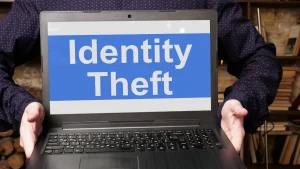
Identity theft can create complex problems when dealing with debt collectors. If someone used your personal information for medical services or utility accounts, the resulting debt may be forwarded to Financial Credit Network Inc for collection. If you suspect identity theft, file an identity theft report immediately and request full validation of the debt. Provide the collector with documentation proving your identity and showing that the account is fraudulent. You may also need to place a credit freeze to prevent further misuse. When the collector receives proof of identity theft, they must stop collection activity and update their records accordingly. Taking quick action helps protect your credit and prevents future collectors from attempting to pursue the same fraudulent account.
What BBB Complaints Reveal About Consumer Experiences
The Better Business Bureau contains many complaints filed against Financial Credit Network Inc, and these complaints highlight common issues faced by consumers. Borrowers often report receiving bills for medical procedures they never received, being charged incorrect amounts, or having debts forwarded to collections before insurance processed claims. Many people also report difficulty reaching knowledgeable representatives or receiving conflicting explanations from different agents. Some consumers complain that the agency ignored their written disputes or refused to provide validation, even after multiple requests. Several complaints mention continued calling after consumers requested communication only through mail. These patterns show why documentation, validation, and written communication are essential when dealing with this agency. BBB complaints provide valuable insight into the company’s behavior and help consumers prepare for potential challenges.
When and How to Escalate Your Complaint
If the agency continues to contact you after written requests, refuses to validate the debt, misreports information to credit bureaus, or provides inconsistent information, escalation may be necessary. You can file complaints with the , which monitors collection practices and requires companies to respond in writing. You may also file complaints with the attorney general in your state or with the Federal Trade Commission. If Financial Credit Network Harassment continues, your documentation becomes powerful evidence. Escalation is particularly important when the debt is inaccurate or fraudulent, or when the agency refuses to follow federal collection laws. Many consumers find that escalating their complaint results in faster resolutions because the agency must answer to government regulators who track patterns of misconduct.
How Consumer Rights Law Firm PLLC Can Help

Legal assistance can be extremely valuable when dealing with aggressive or uncooperative collectors. A consumer rights attorney can communicate with Financial Credit Network Inc on your behalf, stop unwanted calls, demand written proof, dispute incorrect charges, and correct inaccurate credit reporting. Attorneys understand federal laws and know how to hold collectors accountable for harassment, refusal to validate debts, and unfair practices. If the collector continues improper behavior, an attorney can help escalate the issue, file appropriate claims, and protect your financial rights.
Consumer Rights Law Firm PLLC
📌 133 Main Street Second Floor
North Andover Massachusetts 01845
📞 Phone 877 700 5790
✉ Email help@consumerlawfirmcenter.com
This firm helps consumers nationwide stop harassment, correct inaccurate reporting, and resolve disputes involving debt collectors.
Success Stories
- 🏆 I was constantly getting harassed by debt collectors, and it was affecting my peace of mind. Consumer Rights Law Firm PLLC stepped in, explained my rights clearly, and took immediate action. Within weeks, the calls stopped. I can’t thank them enough!
- 🏆 When I contacted Consumer Rights Law Firm, I didn’t expect much—just another law firm. But they surprised me! They filed a case on my behalf and negotiated a great settlement. I even got compensation for the harassment. Highly recommended.
- 🏆 I was getting daily robocalls from a collection agency. Consumer Rights Law Firm PLLC sent them a cease-and-desist letter and started the legal process. The calls stopped almost immediately. These folks know the law and how to use it to protect you.
FAQs
Why is Financial Credit Network Inc contacting me❓
They may be contacting you about a medical, utility, or service related balance that was forwarded to collections by a provider. Request written validation to confirm whether the debt is accurate and belongs to you.
How do I verify a real call from Financial Credit Network Inc❓
Use only a trusted Financial Credit Network Phone Number found on mailed notices. Do not rely on caller identification. Ask for written validation before discussing any personal or financial information.
Can Financial Credit Network call me multiple times a day❓
Repeated calls designed to pressure or intimidate you may be considered harassment. Document each call and request written communication only to stop unwanted phone contact completely.
What should I do if the charges look unfamiliar or incorrect❓
Request validation and compare itemized charges to your own documents. If something does not match, dispute the debt in writing. The collector must review your dispute and provide accurate documentation.
Can Financial Credit Network contact my employer❓
They cannot reveal your debt to your employer. If you request no workplace calls, they must stop. All sensitive communication should be directed to you through proper written channels for privacy.
How do I stop Financial Credit Network from calling me❓
Send a written cease communication request. Once received, the agency must stop calling you. If they continue contacting you by phone, each call becomes evidence of improper or illegal conduct.
Can errors from the agency harm my credit❓
Yes, incorrect collection entries can damage your credit score. You have the right to dispute errors with credit bureaus and provide documents showing the correct status of your account or payment history.
What if the debt does not belong to me❓
Request full validation and dispute the information in writing. Identity mix ups and billing errors are common. Provide proof of the mistake and escalate to regulators if the agency fails to correct it.
Can the agency refuse to send validation❓
No, they must provide written proof of the debt. If they refuse or delay sending documentation, escalate your complaint to federal agencies and keep records of all communication for evidence.
Should I hire a lawyer if harassment continues❓
Yes, legal support can stop harassment, dispute inaccurate debts, correct reporting errors, and enforce your rights if the agency refuses to follow federal laws or continues improper communication.
Conclusion
Collection activity from Financial Credit Network Inc can be stressful and overwhelming, especially when communication becomes aggressive, unclear, or persistent. Consumers deserve accurate information, proper documentation, and respectful treatment. When the agency fails to validate a debt, misreports information, or continues calling after written requests, this behavior may qualify as harassment. Fortunately, federal laws give you strong protections that allow you to dispute incorrect charges, request written communication, stop unwanted calls, and escalate complaints when necessary. By staying organized, documenting all interactions, and using your legal rights, you can regain control of your financial situation and protect yourself from unfair collection practices. If harassment continues or if the agency ignores your concerns, legal support can help you resolve the issue and defend your rights.