


Finding yourself contacted by a major organization about a debt you do not recognize or do not understand can create instant anxiety, especially when the company reaching out is connected to one of the largest credit bureaus in the country. This is a situation thousands of consumers experience when they begin receiving unexpected calls or letters from Equifax Collections, often without warning and often without a clear explanation of the account in question. Because Equifax plays a central role in credit reporting, many people feel pressured or intimidated when communication becomes repetitive or aggressive. In many cases, consumers describe the experience as Equifax Collections Harassment, especially when the company fails to provide accurate information or responds poorly to disputes. This guide explains how Equifax’s collection processes work, how to confirm whether the debt is legitimate, how to stop unwanted communication, how to protect your credit, and how to regain control of your financial situation through legally protected steps.
Understanding Who Equifax Collections Actually Is
Many people mistakenly believe that Equifax only compiles and reports credit information. In reality, Equifax Collection Agency divisions work with thousands of creditors and recovery partners across the country. They may contact you regarding debts that were reported to them by lenders, service providers, financial institutions, or outside recovery companies who use Equifax’s systems to validate accounts. In some cases, the communication does not come directly from Equifax employees but from partner networks that use Equifax data. This creates confusion because the consumer sees the Equifax name on the notice and assumes it must be legitimate. In truth, collection information can be inaccurate, outdated, or linked to identity theft long before the company contacts you. Understanding that the Equifax brand appears on many third party messages helps you remain cautious and prevents you from taking immediate action out of fear.
Why You May Be Hearing From Equifax About a Debt
If you have recently received a letter or call from Equifax Debt Collection, there are several possible explanations. Many creditors send unresolved accounts to their recovery partners, who use Equifax to verify data before attempting collection. This means you may be contacted even if the debt is old, disputed, already paid, or inaccurately reported. In some situations, debts are placed with multiple agencies, and Equifax may appear in the chain of communication even if they are not the original collector. Another common issue is identity confusion. If someone with a similar name or address owes a debt, the system can incorrectly match your file. Errors also occur during creditor updates or when information is transmitted incorrectly. Because Equifax handles massive data transfers, even a small mistake can result in communication that seems improper or confusing to the consumer.
Why Verification Is Essential Before Discussing Anything
No borrower or consumer should provide personal information to any caller or organization unless the communication has been verified independently. Because Equifax is a recognizable name, scammers frequently impersonate the company and send messages pretending to represent Equifax Collection Agency departments. Before responding to any message, confirm the information using a legitimate Equifax Collections Phone Number found on official documents, not on caller identification. Ask for written details and ensure you receive a proper debt validation letter. Real collectors must provide written proof of the account, including the original creditor, amount owed, and itemized breakdown. If the caller becomes impatient, avoids questions, or pressures you for immediate payment, treat this as a warning sign. Verification is your strongest protection against fraud and prevents you from sharing personal data with the wrong party.
When Communication Begins to Feel Like Harassment
Collection efforts can turn emotionally draining when contact becomes frequent, improper, or aggressive. Consumers often describe repeated calls, unclear letters, or ongoing contact after disputes as Equifax Collections Harassment. Harassment may involve calls at inconvenient times, attempts to pressure you into fast decisions, or threats about your credit file that sound exaggerated or unclear. Many consumers report that the collector acted dismissively when asked for details or refused to acknowledge that the debt had already been paid. Harassment does not need to involve shouting or explicit threats. Any behavior that creates distress, confusion, or fear can be considered harassment, especially when federal rules are ignored. Recognizing these violations early helps you take steps to protect yourself and stop the unwanted communication.
➡️ Liberty Credit Services Harassment Help & Rights
Your Rights Under Federal Consumer Protection Laws
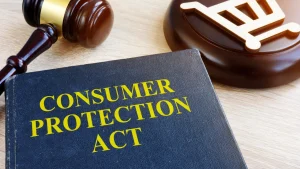
Federal law protects consumers from aggressive or misleading collection behavior. This includes communication from Equifax Collections partners, affiliates, and recovery departments. Under these laws, collectors cannot call early in the morning or late at night, cannot make misleading statements about your balance, cannot contact third parties, cannot threaten legal actions they do not intend to take, cannot refuse written validation, and cannot ignore your disputes. You have the right to request written communication only, to dispute inaccurate information, and to demand proof that the debt is legitimate. These rights apply regardless of the size of the debt or the age of the account. Knowing these protections empowers you to take control instead of responding out of fear or confusion.
How to Document All Interactions With Equifax Collections
Documentation is one of the most valuable tools available to consumers dealing with collection activity. Write down every call you receive from any number associated with Equifax Debt Collection, including the time, the date, the agent’s name, and a summary of what was said. Save all letters, emails, and digital messages. If the caller mentions information that sounds threatening or incorrect, record the exact wording. If messages contradict earlier communication, note the inconsistency. These records are essential if you later need to file a complaint or pursue legal action. Documentation helps you prove patterns of behavior, repeated mistakes, or harassment. Consumers who keep detailed records almost always achieve faster resolutions because they can provide clear evidence when regulators or legal professionals become involved.
How to Request Written Validation of the Debt

Debt validation is one of your strongest legal protections. When you request validation, Equifax Collections must provide written proof of the debt, including the original creditor, account history, amount owed, and itemized charges. If they cannot provide this documentation, they must stop collection attempts. Many consumers discover that once they request validation, communication decreases or stops entirely because the collector does not have sufficient records to prove the debt. Validation also helps identity theft, incorrect balances, outdated information, or debts that are too old to collect. Always send your request in writing and keep proof of delivery. Never rely on verbal promises from callers. Written validation ensures you receive clear, accurate details about the account before making any decisions.
➡️ Kozeny & McCubbin LC Debt Collection Harassment Help
How to Shift All Communication to Written Mail
One of the most effective ways to regain control during stressful collection contact is to move everything into written communication. Borrowers often feel overwhelmed during live phone calls, especially if the representative speaks quickly, uses confusing language, or repeats scripted explanations that do not address your concerns. When you ask Equifax Collections to communicate only by written mail, you gain the time needed to think clearly and review each message carefully. Written communication also creates a secure paper trail that cannot be altered or denied later. Every detail becomes available for future reference, allowing you to compare statements, identify mistakes, and seek advice without pressure. Consumers who adopt this approach often experience significantly less stress because written communication replaces urgent calls with structured and documented messages.
How to Stop All Calls From Equifax Collections
If repeated calls have reached a point where they interfere with your daily life, you can legally stop them by sending a written cease communication request. Once Equifax Collections receives this request, they must stop calling and send correspondence only through mail unless specific exceptions apply. Borrowers who take this step often feel immediate relief because unwanted phone calls can create stress, fear, and confusion. If calls continue after you have submitted your request, document every instance. These records can demonstrate noncompliance and form the basis of consumer protection complaints. Stopping calls allows you to evaluate your options without pressure and ensures that all future communication becomes easier to track and verify.
Protecting Your Credit From Collection Related Errors

As one of the major credit bureaus, Equifax plays a central role in credit reporting. When a collection partner associated with Equifax Collection Agency reports incorrect information, your credit may suffer even if the debt is inaccurate. Reviewing your credit report regularly is essential. Look for unfamiliar accounts, incorrect balances, outdated collection entries, or accounts marked delinquent incorrectly. If errors appear, dispute them directly with the credit bureaus and provide documentation such as payment records, settlement letters, or written disputes. The bureaus must investigate and remove unverifiable or inaccurate entries. Protecting your credit is critical because negative information can impact loan approvals, employment screenings, insurance rates, and housing opportunities. Taking action early helps prevent long term damage caused by collection mistakes or reporting errors.
How to Recognize False or Misleading Statements
Consumers often report confusing or intimidating statements from collectors, especially when communication comes from a recognizable name like Equifax Debt Collection. False statements may include exaggerations about legal consequences, claims that payment must be made immediately, or threats regarding your credit score. If something sounds unusual, unclear, or intentionally alarming, request written documentation. Legitimate collectors are required to provide accurate and verifiable information. Misleading statements are warning signs that the representative may not be trained properly or may be using pressure tactics to force fast decisions. Staying calm and requesting written communication protects you from misunderstandings and prevents you from making rushed agreements based on incorrect information.
➡️ How to Handle Advanced Debt Collections Harassment Calls
What to Do If the Debt Is Not Yours
Many consumers receive collection notices for accounts that do not belong to them. This may occur due to data errors, identity theft, wrong file matches, or outdated information. If you receive a notice from Equifax Collections, do not assume the account is valid. Immediately request debt validation and compare the documents with your own records. If the details do not match your identity, send a written dispute explaining the inaccuracy. You may also file identity theft reports if necessary. The collector must investigate and correct the issue. Ignoring the notice can lead to credit reporting damage, so it is important to act quickly and confidently. Much of the frustration consumers feel comes from not knowing how to correct these problems, but written disputes and detailed documentation often resolve them.
Dealing With Identity Theft in Equifax Collection Cases

Identity theft is one of the most common reasons people receive unexpected collection notices. When someone steals your personal information and opens accounts, the associated debt may be reported through Equifax Collection Agency partners. If this happens, request full validation immediately. Then file an identity theft report and send copies to the collector along with a written dispute. You may also freeze your credit to prevent further fraud. The collector must stop pursuing the account if it is proven to be fraudulent. It is important to stay organized because identity theft issues often involve multiple steps. Keeping detailed records ensures you can prove the debt is not yours and prevents future collection attempts based on the same fraudulent account.
What BBB Complaints Reveal About Consumer Experiences
The Better Business Bureau contains numerous complaints related to Equifax Collections Harassment, including concerns about repeated calls, unclear information, difficulty obtaining validation, and inaccurate reporting. Many consumers express frustration with the lack of transparency when trying to understand the origin of the debt or the details behind the communication. Others mention that the company continued contacting them despite written disputes or after the debt was proven incorrect. These patterns reflect common issues faced by consumers when dealing with large data systems and automated recovery processes. Understanding these complaints helps you anticipate potential problems and remain proactive in protecting your rights. BBB complaints do not determine legal violations but provide insight into widespread challenges reported by consumers.
When and How to Escalate Your Complaint
If Equifax Collections fails to provide documentation, continues calling after your written requests, or reports inaccurate information to the credit bureaus, you may need to escalate your complaint. You can file complaints with the , your state attorney general, or the Federal Trade Commission. These agencies monitor compliance and require collectors to respond. If your credit has been harmed, you may dispute the entries with the credit bureaus and demand removal of incorrect information. Escalation becomes necessary when collection activity continues despite valid disputes or when communication violates federal laws. Your documentation will support your claims and help regulators take appropriate action.
How Consumer Rights Law Firm PLLC Helps Consumers
Collection harassment can be stressful, confusing, and emotionally draining. A consumer rights attorney can intervene on your behalf, communicate with Equifax Collections, stop unwanted calls, challenge inaccurate reporting, and request written validation. Legal professionals understand federal debt collection laws and know how to protect you from aggressive or misleading communication. If the collector refuses to cooperate, an attorney can take additional steps to protect your rights and ensure compliance with federal regulations.
Consumer Rights Law Firm PLLC
📌 133 Main Street Second Floor
North Andover Massachusetts 01845
📞 Phone 877 700 5790
✉ Email help@consumerlawfirmcenter.com
This firm helps consumers experiencing harassment, credit damage, and unresolved disputes related to Equifax collection activity.
Success Stories
- 🏆 I was constantly getting harassed by debt collectors, and it was affecting my peace of mind. Consumer Rights Law Firm PLLC stepped in, explained my rights clearly, and took immediate action. Within weeks, the calls stopped. I can’t thank them enough!
- 🏆 When I contacted Consumer Rights Law Firm, I didn’t expect much—just another law firm. But they surprised me! They filed a case on my behalf and negotiated a great settlement. I even got compensation for the harassment. Highly recommended.
- 🏆 I was getting daily robocalls from a collection agency. Consumer Rights Law Firm PLLC sent them a cease-and-desist letter and started the legal process. The calls stopped almost immediately. These folks know the law and how to use it to protect you.
FAQs
Why is Equifax Collections contacting me❓
They may be contacting you about an account reported by a creditor, partner agency, or automated system. You should request written validation to confirm that the debt is accurate and belongs to you.
How do I verify a real call from Equifax Collections❓
Use only a trusted Equifax Collections Phone Number found on official documents. Avoid relying on caller identification. Request written proof before discussing your account or sharing personal information.
Can Equifax Collections call me many times a day❓
Repeated calls meant to pressure or intimidate you may be considered harassment. You can document the calls and send a written request demanding communication only through the mail.
What should I do if the debt seems incorrect❓
Request written validation and compare it with your records. If details do not match, send a dispute explaining the inaccuracy. The collector must review the information and correct any errors found.
Can Equifax Collections contact my workplace❓
They cannot discuss your account with your employer. If you request no workplace calls, they must stop. All sensitive communication should be directed to you through proper written channels.
How do I stop unwanted calls completely❓
Send a written cease communication request. Once received, the collector must stop calling you. If they continue contacting you by phone, each call becomes evidence of improper behavior.
Can Equifax reporting mistakes harm my credit❓
Yes, inaccurate reporting can damage your credit score. You can dispute incorrect entries with the credit bureaus and provide documents showing the accurate status of your account or payment history.
What if the account does not belong to me❓
Request validation, provide identification documents, and file disputes with both the collector and credit bureaus. If identity theft is involved, submit fraud reports to prevent further misuse of your information.
Can Equifax Collections refuse to send validation❓
No. They must provide written validation of the debt when requested. If they refuse or delay, escalate the issue to federal regulators and document all communication for evidence.
Should I contact a lawyer if harassment continues❓
Yes. A consumer rights attorney can stop the communication, challenge inaccurate reporting, and enforce your legal rights if the collector continues to behave improperly or ignores your disputes.
Conclusion
Collection activity is stressful, especially when the communication comes from an organization connected to a major credit bureau. Borrowers and consumers deserve clear information, respectful communication, and accurate reporting. When Equifax Collections behaves aggressively, refuses to validate debts, continues calling after written requests, or reports inaccurate information, this behavior can be considered harassment. Fortunately, federal laws provide strong protections that allow you to dispute inaccuracies, demand written communication, stop unwanted calls, and hold collectors accountable. By staying informed, documenting interactions, and using your legal rights, you can stop harassment and regain control of your financial situation. If the communication continues to be confusing or overwhelming, professional legal assistance can help you resolve the issue and protect your credit and peace of mind.