




When a collection agency begins calling, leaving messages, or sending letters, life can suddenly feel stressful. The constant ringing of your phone or the pressure of reading unfamiliar collection notices can create anxiety even before you understand why the collector is contacting you. This often happens when people first hear from Direct Recovery Associates Inc, a company that many consumers say communicates frequently and sometimes aggressively. Some individuals explain that the debt does not sound familiar. Others believe they already paid the balance. Still others claim the debt belongs to someone else entirely. These situations become even more upsetting when the communication intensifies or when the collector makes statements that feel intimidating. Many consumers describe these experiences as Direct Recovery Associates Harassment, especially if the debt collection agency continues to reach out despite requests for written information or requests to stop calling.
This guide was created to help you take control. By the time you finish reading, you will know exactly how to respond to collection calls in a calm and organized way. You will learn how to verify whether the call is real, why collectors say they are contacting you, how to understand your rights under federal law, how to request written validation, how to dispute a debt, how to stop unwanted calls, how to protect your credit report, and how to identify misleading statements. You will also learn how to check any Direct Recovery Associates phone number before responding so you can avoid scammers who may pretend to represent the company.
Whether the debt appears legitimate, questionable, outdated, or the result of identity theft, this guide will give you the information and strategies needed to protect yourself. You never have to respond out of fear. You never have to pay immediately. You never have to accept disrespectful or aggressive communication. When you understand your rights and know how to take the correct steps, you can stop Direct Recovery Associates Harassment and regain your peace of mind.
Who Direct Recovery Associates Inc Is
Before responding to any collector, it is essential to understand who they are. Direct Recovery Associates Inc is a third party debt collection agency. This means they do not originate the debt and are not the company you originally did business with. Instead, they are hired by creditors to collect outstanding balances on their behalf. Sometimes they collect debts for medical providers, utility companies, telecommunications providers, subscription services, credit issuers, and various consumer service industries. In other cases, they collect debts that were purchased from another company. When a debt is sold, it often contains old or incomplete information, which can lead to confusion when a consumer receives a call for the first time.
Collectors work under pressure to recover as much money as possible, and this pressure can sometimes lead to aggressive communication styles. Some consumers report that representatives from Direct Recovery Associates Inc speak in a way that feels urgent or demanding. Others explain that the collector refused to send written proof of the debt or attempted to insist on immediate payment over the phone. These tactics are common in the collection industry but are not always legal. Third party collectors must follow strict regulations, and when they fail to do so, their behavior may contribute to a claim of Direct Recovery Associates Harassment.
Understanding who the collector is helps you respond intelligently and confidently rather than reacting emotionally.
➡️ Can You Sue Debt Collectors for Harassment? FDCPA Rights
Why You May Be Receiving Calls or Letters

Collection calls often catch people by surprise, especially when the debt seems unfamiliar. There are several possible reasons why Direct Recovery Associates Inc may be contacting you, and understanding these possible reasons can help reduce confusion.
You may have an unpaid balance that was transferred to collections. This could include a medical bill that insurance did not cover fully, a utility bill from a previous residence, a subscription fee that remained unpaid, or a retail credit account that fell behind. Many companies automatically transfer unpaid accounts to collections after a certain period.
It is also possible the debt is outdated. When companies sell debt portfolios, the information may become inaccurate over time. Some consumers find that the debt being collected is many years old or has already been resolved. Old debts often circulate from one collection agency to another without accurate updates.
Another possibility is identity theft. If someone used your personal information to open an account, the resulting debt could be mistakenly associated with your identity. Many consumers discover identity theft only after receiving calls from a collector.
You may even be receiving contact intended for someone else. If your phone number previously belonged to another person, you may receive calls that were meant for them. Or the creditor may have entered the number incorrectly.
Regardless of the reason, you have the right to question the debt, to demand written validation, and to decide how and when you respond. No collector can force you to take immediate action just because they have contacted you.
How to Verify Whether a Call Is Real
Before speaking to any collector or sharing personal information, you must verify whether the call is legitimate. Scammers often impersonate collection agencies and demand immediate payment. They may claim legal consequences, pressure you to pay over the phone, or avoid answering questions. When someone contacts you claiming to represent Direct Recovery Associates Inc, your first step is to verify that they truly work for the company.
Ask the caller for:
❇️ Their name
❇️ The company name
❇️ A mailing address
❇️ A reference number for the debt
❇️ The official Direct Recovery Associates phone number
❇️ A written notice sent to your home address
A legitimate collector will provide all of this information. If the caller hesitates, becomes aggressive, or refuses to answer, this is a sign that the call may not be real. You should never share personal details with an unverified caller. Instead, end the call and search the Direct Recovery Associates phone number independently or wait for written communication.
Verification protects you from fraud and ensures you do not accidentally pay money to someone pretending to be a legitimate company. It also gives you time to understand the details before responding further.
When Collection Activity Becomes Harassment
Collection agencies are allowed to contact consumers, but they are not allowed to harass them. Harassment takes place when communication becomes excessive, intimidating, misleading, or disrespectful. Many consumers describe the conduct of certain collectors from Direct Recovery Associates Inc as harassing when the agency ignores boundaries, calls repeatedly, or uses threatening language.
Harassment may include frequent calls throughout the day, calls very early in the morning, calls late at night, or calls to your workplace after you have asked them to stop. It can also include representatives speaking in an aggressive or demanding tone, using statements that suggest serious consequences, or refusing to provide written validation. Some consumers report that the agency continues to call even after they request that communication take place only in writing.
Collectors may also use misleading statements intended to create fear. They may suggest that legal action is already in progress, that wage garnishment is likely, or that you will face additional consequences if you do not pay immediately. These statements are often misleading and may qualify as Direct Recovery Associates Harassment if they cause undue pressure or violate your rights.
You do not have to tolerate disrespectful communication. Federal law protects you from harassment, and you have the right to take steps to stop it.
Your Legal Rights as a Consumer

The Fair Debt Collection Practices Act is a federal law designed to protect consumers from abusive or unfair collection practices. When communication from Direct Recovery Associates Inc crosses the line, your legal rights allow you to stop the behavior and, if necessary, pursue remedies.
You have the right to receive written notice about the debt. Collectors must provide a written letter explaining the amount owed, the original creditor, and your right to dispute the debt.
You have the right to dispute the debt in writing. If you send a dispute letter within thirty days, the collector must stop all collection efforts until they provide written validation.
You have the right to validation. The collector must prove that the debt is real and that you are the correct person responsible for it.
You have the right to privacy. Collectors cannot discuss your debt with others or contact your employer after you ask them not to.
You have the right to request written communication only. Once you make this request, the collector should stop calling.
You have the right to send a cease communication notice. After receiving it, the collector can no longer contact you except to confirm they will stop or to notify you of legal action.
You have the right to be free from deceptive or threatening language. Collectors cannot imply that legal consequences are guaranteed or imminent when they are not.
These rights give you powerful control over how Direct Recovery Associates Inc interacts with you. When you understand the law, you can respond with confidence and protect yourself from unlawful behavior.
How to Document All Communication
If you believe you are experiencing Direct Recovery Associates Harassment, documentation is one of your most important tools. Keeping detailed records protects you if you decide to file a complaint or take legal action. It also helps you remain organized and prepared.
Document each call by writing down the date, time, and number used, especially if the Direct Recovery Associates phone number changes. Write down what the representative said, including any statements that made you feel uncomfortable or pressured. If you receive letters, store them in a folder. If you receive emails or text messages, take screenshots. If the collector leaves voicemails, save them.
Your documentation should include:
👉 Dates and times of calls
👉 Names of representatives
👉 Phone numbers used
👉 Statements made during conversations
👉 Copies of all letters
👉 Copies of all emails or texts
Documentation turns a stressful situation into a clear and organized record. It can provide essential evidence if you later decide to take action to stop Direct Recovery Associates Harassment.
➡️ Innovative Recovery Harassment & Rental Debt Help
Requesting Written Validation of the Debt

One of the most important steps in protecting yourself is requesting written validation. This ensures that you are not paying a debt that is inaccurate, outdated, or fraudulent. To request validation, send a written letter stating that you dispute the debt and require written proof. You should send this letter by certified mail so you can prove it was delivered.
Validation may include account statements, contracts, billing history, or documentation showing that Direct Recovery Associates Inc has the authority to collect the debt. Until they provide this validation, they must stop calling you.
If the collector continues calling after you request validation, this may further support your claim of Direct Recovery Associates Harassment. Written proof is the foundation of your protection, and you should never agree to pay anything without receiving it.
How to Move All Communication to Written Mail
Many consumers begin to feel overwhelmed when calls come repeatedly from Direct Recovery Associates Inc. If the tone becomes stressful or if the collector speaks as though immediate action is required, the pressure can quickly cause emotional frustration. The best way to take control is to shift all communication to written mail. This single step changes the situation instantly because written communication gives you time to read, process, and respond without feeling rushed. It also limits misunderstandings, protects you from emotional manipulation, and preserves everything in a documented format.
To request written communication, send a simple letter telling the collector you only wish to communicate through mail. After this request, the collector should respect your preference. If calls continue after that request, this may help support a claim of Direct Recovery Associates Harassment, especially if the calls become more frequent or aggressive. Written communication also ensures that what the collector says becomes part of your paper trail, which can be especially important if the debt is inaccurate, outdated, or fraudulent. You deserve the ability to manage the situation calmly, and shifting to written communication is one of the most effective tools available.
How to Stop All Calls Through a Cease Communication Notice
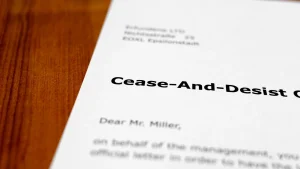
If the communication becomes too much, you can send a cease communication notice. This notice instructs Direct Recovery Associates Inc to stop contacting you entirely. Once this notice is received, federal law limits what the collector is allowed to do. They may only send a single written confirmation that they will no longer contact you, or they may send a written notice if they intend to take genuine legal action. They cannot call you every day. They cannot send repeated messages. They cannot pressure you to pay over the phone.
A cease communication notice is powerful because it instantly reduces stress. If the collector continues contacting you after this notice, every call becomes important evidence of Direct Recovery Associates Harassment. This evidence may help you if you choose to file a complaint or take legal action. Make sure you send the notice by certified mail so you have proof that the collector received it. This step is important for your protection, and documenting the delivery provides support if the collector ignores the law.
➡️ Stop A-1 Collection Service Phone Harassment
How to Protect Your Credit Report from Incorrect Entries
Even after calls stop, your credit report may still reflect information from Direct Recovery Associates Inc. If that information is inaccurate, it can affect your credit score for years and may interfere with important financial opportunities. Mistakes happen often in the debt industry, especially when debt is sold multiple times or when companies use outdated or incorrect records.
To protect your credit, begin by requesting your credit reports from all major bureaus. Review each report carefully to see whether the collector reported any account under your name. If you find anything incorrect, outdated, or fraudulent, you have the right to dispute it. Submit a written dispute to each bureau explaining what is wrong. Include copies of letters you sent to the collector, validation requests, and any documents showing the debt does not belong to you or was already resolved.
Once the bureaus receive your dispute, they must investigate. If the collector cannot verify the information, the entry must be corrected or removed. This step can protect your long term financial health, even if collection activity has stopped. Many consumers forget to check their credit after dealing with a collector, but correcting errors early prevents problems later.
How to Recognize False Threats and Misleading Statements

Collectors sometimes use statements designed to create fear or confusion. These tactics are common because they often lead consumers to act quickly. If a representative from Direct Recovery Associates Inc uses statements that sound threatening, urgent, or dramatic, it is important to recognize whether the statements are legitimate or misleading.
Some common misleading statements include suggestions that legal action has already been filed, that wage garnishment will occur immediately, or that law enforcement may get involved. These statements are often inaccurate. A consumer cannot be arrested for owing a debt. Wage garnishment requires a court judgment. Legal action requires documents served formally, not verbal warnings.
If a collector makes statements like these, write down their exact words. Pressure based language is often a sign of Direct Recovery Associates Harassment. It may also help prove that the collector acted outside the law. Do not allow fear based statements to influence your decisions. Instead, rely on written communication, demand validation, and seek help from a consumer rights attorney if the statements continue.
What to Do When the Debt Is Not Yours
Consumers sometimes discover that Direct Recovery Associates Inc is contacting them about a debt that belongs to someone else. This may happen because someone used your identity fraudulently, because of clerical mistakes, or because of an incorrect phone number. If the debt is not yours, you should dispute it immediately. Request written validation so you can examine the details. Look carefully at addresses, dates, account numbers, and other identifying information.
If the information does not match your identity, send a written dispute explaining that the debt does not belong to you. You may include supporting documents if needed. If the collector continues contacting you after your dispute, document each communication. Attempts to collect a debt that clearly does not belong to you may support claims of Direct Recovery Associates Harassment. You are not responsible for someone else’s debt, and the law protects you from being forced to pay anything without proof.
How to Handle Debt Linked to Identity Theft
Identity theft is a growing problem, and many consumers do not realize they have been victimized until they receive calls from a collector. If Direct Recovery Associates Inc contacts you about an account you did not open, remain calm and organized. Request written validation and examine the details once they arrive. If the account is fraudulent, file an identity theft report, freeze your credit, and notify the collector in writing that the debt does not belong to you.
A collector must stop attempting to collect once they have been informed that the account is the result of identity theft. If they continue reaching out, document each attempt. This pattern may help support a claim of Direct Recovery Associates Harassment, especially if the collector ignores clear evidence. Identity theft can be stressful, but when handled correctly, you can correct your credit report, secure your accounts, and prevent further issues.
Protecting Your Emotional Wellbeing During Collection Activity

Debt collection can affect more than your finances. It can impact your emotional health, sleep, and relationships. When calls from Direct Recovery Associates Inc become frequent or stressful, you may begin to feel overwhelmed. It is important to understand that your feelings are normal and that many consumers experience similar stress.
Protecting your emotional wellbeing means giving yourself permission to take breaks from the situation. Do not answer calls if you feel anxious. Read letters only when you are ready to think clearly. Focus on documenting communication rather than reacting emotionally. Remind yourself that collectors cannot force you to make immediate decisions. You have time. You have rights. You can seek help at any point.
If the stress becomes too heavy, reach out to a consumer rights attorney. Legal professionals understand how collectors operate and can remove the burden from your shoulders. You deserve peace during the process, and you do not have to face collection situations alone.
When You Should Consider Legal Help
There are several moments when legal help becomes essential. If Direct Recovery Associates Inc continues contacting you after written requests, if they refuse to validate the debt, if they use misleading or threatening statements, or if they report incorrect information to credit bureaus, you may need professional support. An attorney can take over communication, demand documentation, file disputes, protect your rights, and pursue compensation if harassment occurred.
Legal help is also appropriate when the situation becomes too stressful or confusing. A lawyer who focuses on consumer protection knows the laws and can guide you through each step. They can challenge an incorrect debt and stop harassment. If you believe you are experiencing Direct Recovery Associates Harassment, professional support may give you the strongest path to relief.
🔗 You can also Contact: Contact Consumer Rights Law Firm PLLC
How Consumer Rights Law Firm PLLC Helps You
Consumers should never feel helpless when facing aggressive collection activity. Legal support can stop calls, correct errors, and pursue justice when collectors violate your rights.
Consumer Rights Law Firm PLLC
📌 133 Main Street Second Floor
North Andover Massachusetts 01845
📞 Phone 877 700 5790
✉ Email help@consumerlawfirmcenter.com
This firm helps consumers who are dealing with collectors such as Direct Recovery Associates Inc. Their team investigates each case, demands validation, sends cease communication notices, corrects credit errors, and pursues damages when harassment occurs. With their assistance, you can stop unwanted calls, protect your rights, and regain your peace of mind. Collectors must follow the law, and if they do not, legal action may be necessary.
Success Stories
- 🏆 I was being harassed by Accounting Systems Inc over a debt I didn’t even owe. The law firm reviewed my case, proved the debt was invalid, and forced them to remove it from my credit report. They even got me compensation for the illegal collection attempts. If you’re dealing with debt collector abuse, call these lawyers—they fight for you!
- 🏆 After Accounting Systems Inc threatened legal action and called my workplace, I reached out to Consumer Rights Law Firm PLLC. They were incredibly responsive and explained my rights clearly. They negotiated a resolution, stopped the harassment, and made sure the collectors followed the law. I couldn’t have asked for better representation!
- 🏆 Accounting Systems Inc was calling me multiple times a day, even after I asked them to stop. I felt bullied and stressed. Consumer Rights Law Firm PLLC stepped in, sent a cease-and-desist letter, and sued for violations of the FDCPA (Fair Debt Collection Practices Act). Not only did the calls stop, but I also received a settlement for the harassment. Highly recommend their expertise!
Frequently Asked Questions
✔️ Why is Direct Recovery Associates Inc contacting me
They may believe you owe a balance, but the information may be outdated or incorrect.
✔️ How do I verify the Direct Recovery Associates phone number
Compare it to official letters or search reputable business directories.
✔️ Can I stop the calls
Yes. You can request written communication or send a cease communication notice.
✔️ Do I have to pay the debt
Not until the collector provides written validation proving it is accurate.
✔️ What if the debt is not mine
Dispute it in writing and request proof. Incorrect accounts cannot be collected.
✔️ Are threats or aggressive language legal
No. Harassing or misleading communication violates federal law.
✔️ Can they call my employer
Not after you tell them to stop. Workplace calls may be unlawful if they continue.
✔️ What should I do if the calls feel overwhelming
Document everything and consider legal assistance.
✔️ Can I sue for harassment
Yes. If your rights were violated, you may be entitled to compensation.
✔️ Will a cease communication letter stop all calls
Yes, except for limited required notices.
Conclusion
Collection contact can create stress, but you do not have to face it without support. Whether the debt is legitimate, outdated, incorrect, or fraudulent, you have strong legal protections. Collectors must treat you with respect. They must provide written proof. They must stop calling if you request written communication. They must obey the law at every stage. If you believe you are experiencing Direct Recovery Associates Harassment, you can act to stop it. With documentation, written requests, boundary setting, and legal help when necessary, you can regain control, defend your rights, and protect your peace of mind. No consumer should feel powerless against collection pressure, and with the right steps, you do not have to feel that way again.