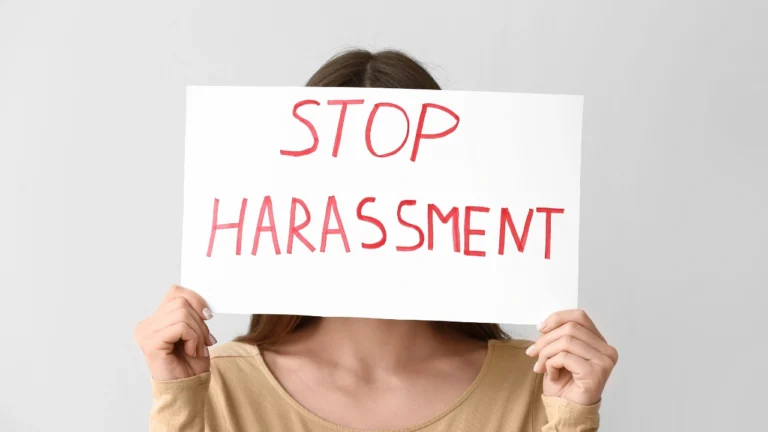



When debt collection calls feel relentless, confusing, or intimidating, it can leave anyone feeling stressed and uncertain about their rights. Many consumers facing persistent calls describe One Advantage Harassment, where the communication goes beyond simple reminders and crosses into pressure, threats, or repeated contact without clear documentation. Federal law — including the Fair Debt Collection Practices Act (FDCPA) — places strict limits on how collectors may contact you, what they can say, and in what circumstances they must stop if you ask them to.
If the calls, texts, and messages from someone claiming to be One Advantage or a third party acting on its behalf are making you uneasy, you are not alone — and you do not have to handle it alone. This guide explains your rights, what behavior may qualify as harassment, how to respond, and when to get legal help.
Consumer Rights Law Firm PLLC
133 Main Street, Second Floor, North Andover, MA 01845
Phone 877 700 5790
Email help@consumerlawfirmcenter.com
About One Advantage and Collection Contact
This is a debt collection harassment entity that sometimes contacts consumers about past-due accounts — often on behalf of healthcare providers, utilities, or other original creditors. When an account is assigned to a collector, its goal is to obtain payment, which can include letters, emails, or One Advantage Phone Number calls to the consumer.
Not all calls are harassment. Legitimate collectors may contact you in lawful ways to collect what is owed. But there is a difference between lawful collection and conduct that crosses the line into One Advantage Harassment — and knowing when that line has been crossed empowers you to respond effectively.
Common One Advantage Contact Numbers
Consumers frequently report seeing these numbers on caller ID or in contact records. Including them in documentation can help show patterns if harassment complaints become necessary:
One Advantage Phone Numbers (Reported by Consumers)
| Purpose | Phone Number |
| Main Toll-Free Contact | 866-812-3874 |
| Alternate Toll-Free | 800-650-1776 |
| Reported Contact ID | 877-365-9720 |
| Reported Contact ID | 877-384-4147 |
| Reported Contact ID | 844-332-4483 |
| Reported Contact ID | 877-835-5252 |
| Reported Contact ID | 888-897-0957 |
| Reported Contact ID | 618-222-9865 |
| Reported Contact ID | 219-324-6835 |
| Reported Contact ID | 866-517-0842 |
Note: Collectors may rotate numbers to reach you. If a number shows repetitive contact patterns with you, treat it as part of your harassment documentation.
What “One Advantage Harassment” Really Means

The FDCPA defines harassment as conduct that is meant to annoy, abuse, or oppress a consumer. It focuses not only on what is communicated but how and how often. Many consumers facing One Advantage Harassment describe third-party contact that feels repetitive, threatening, or lacking transparency.
Examples of actions that may contribute to harassment include:
- Repeated daily calls that provide no new information
- Threats of legal action without delivering legal paperwork
- Pressuring for immediate payment without written debt details
- Contact after a written cease request that should have stopped communication
Harassment is not determined by one uncomfortable conversation; it is typically a pattern.
Your Rights Under Federal Law (FDCPA)
The FDCPA limits how debt collectors may contact you. It prohibits abusive, deceptive, or unfair practices and gives consumers several key rights.
These rights apply when the collector qualifies as a third party debt collector. Some lenders that collect their own debts are covered by similar state rules, but national protections like Fair Debt Collection Practices Act (FDCPA) are your first defense against harassment.
What the FDCPA requires from collectors
- They must clearly identify themselves and state the purpose of the call
- They must provide verification options and a dispute process
- They must honor your request to stop communication (with limited exceptions)
- They must avoid harassment, threats, and misleading representations
What collectors generally cannot do
- Call repeatedly with intent to harass or annoy
- Threaten violence or arrest for nonpayment
- Misrepresent the legal consequences of not paying
- Discuss your debt with unauthorized third parties
- Use obscene or profane language
Examples of FDCPA Violations
| Conduct | Allowed? | FDCPA Reference |
| Calling to annoy or harass | No | 15 U.S.C. §1692d |
| Threatening arrest for debt | No | 15 U.S.C. §1692e |
| Misrepresenting amount owed | No | 15 U.S.C. §1692e(2) |
| Contacting friends about your debt | No | 15 U.S.C. §1692c(b) |
| Calling outside reasonable hours | Generally no (8-9) | 15 U.S.C. §1692c(a)(1) |
If you’re unsure whether One Advantage Debt Collector contact is abusive or lawful, Consumer Rights Law Firm PLLC can help you review your call logs, letters, and messages to determine whether your rights have been violated.
State Law Protections That May Apply

Many states have consumer protection statutes that expand on federal law. These laws may allow additional remedies — including actual damages, penalties, or attorney fee recovery — even where the FDCPA might not apply. States may also have broader definitions of debt collectors.
For example, some states include original creditors in their regulations, meaning harassment protections may apply even when a company is collecting its own debt.
Warning Signs of Harassment from One Advantage
Not all collection attempts are unlawful. But when communication becomes repetitive, threatening, or confusing, it may signal illegal conduct. Here’s a quick checklist many consumers use to assess whether One Advantage crosses the line into harassment:
- Multiple incoming calls in a single day from different numbers
- Voicemails with “urgent,” “final notice,” or similar pressure language
- Demand for immediate payment without offering written proof
- Threats of lawsuits, garnishment, or wage action without legal paperwork
- Contact continues after you ask for communication to stop
- Voicemails that reference escalating action but are vague on specifics
Real Call and Voicemail Examples Consumers Report
Understanding how harassment sounds in real life helps you recognize it earlier.
Sample Voicemail Pattern
“This message is time sensitive. Please call back today to avoid further action.”
If this pattern repeats with little detail on account amounts or the actual creditor, it may be pressure rather than helpful communication.
Sample Call Interaction
Caller: “We need to hear from you today.”
Consumer: “Can you send a document outlining the debt?”
Caller: “We can discuss that after payment.”
This kind of pushback is why many consider the contact harassment rather than informative.
What to Do When Contact Becomes Excessive

When contact becomes overwhelming or feels abusive, a plan helps you regain control without escalating conflict.
Step 1: Start a contact log
Track every attempt to reach you:
- Dates, times, and numbers used
- Voicemails saved
- Any threats or pressure language
- Whether validation was offered
If you see multiple One Advantage Phone Number entries daily, screenshots help establish a pattern.
Step 2: Request debt validation in writing
A validation request does three things:
- Forces the collector to provide proof
- Stops certain collection activity while they respond
- Gives you written documentation for your records
Include in your letter:
- Your name and address
- Date of the letter
- A request for verification of the debt
Step 3: Send a cease communication letter
After you send this letter, the collector must stop contacting you except to:
- Acknowledge receipt
- Notify you of specific legal actions
If contact continues afterward, it may support harassment claims.
Step 4: File official complaints
You can file complaints with:
Complaints help create an official record of behavior.
How to Verify the Caller and Protect Yourself

Before sharing sensitive personal information or making payment, verification is key.
Step by Step Verification Checklist
- Ask the caller for their full company name and mailing address
- Ask for the original creditor’s name
- Request the exact account reference number
- Demand written validation before payment
- Do not provide bank or personal details until verified
Verification Steps
| Verification step | Why it matters | Best practice |
| Ask for full contact name | Confirms legitimacy | Write it down immediately |
| Request written debt details | Forces proof | Save all letters |
| Compare numbers | Detect spoofing | Match to known listings |
| Review contract records | Confirm debt | Check original agreements |
| Preserve evidence | Support complaints | Screenshots, voicemails |
Lawsuit Risk: What Happens if You’re Sued by One Advantage
Yes, a collector can file a lawsuit if a debt is valid and within the statute of limitations. A lawsuit is served in writing, usually with a summons and complaint. Phone threats alone are not legal notices.
Real lawsuit process basics
If sued:
- You will receive official court documents
- You must respond by a deadline
- You have the right to dispute the debt in court
Ignoring it may lead to a default judgment, potentially increasing legal exposure.
How to respond safely
Your response often includes:
- Filing an answer or response with the court
- Denying assertions you dispute
- Asking for documentation of the debt
- Raising defenses like statute of limitations issues
Legal guidance can prevent costlier mistakes.
Active 2026 Trends and Scam Patterns

In 2026, debt collection contact has expanded beyond phone calls. Texts, emails, and AI-generated automated messages are increasingly reported.
Emerging scam signals
Scammers may:
- Impersonate collectors using real names
- Use urgent payment language with no written proof
- Demand unusual payment methods like gift cards or crypto
The FTC warns consumers about impostor scams.
Enforcement focus in 2026
Regulators like the CFPB are using patterns in complaints to identify unfair or abusive practices. Monitoring trends helps protect consumers.
Get Support With Debt Collection Harassment
If the contact is overwhelming, you do not have to navigate it on your own.
Consumer Rights Law Firm PLLC helps people:
- Understand their legal protections
- Document abusive communication
- Draft validation and cease communication letters
- File official complaints
- Explore legal action if harassment occurred
Consumer Rights Law Firm PLLC
133 Main Street, Second Floor, North Andover, MA 01845
Phone 877 700 5790
Email help@consumerlawfirmcenter.com
Conclusion
Repeated or threatening contact can feel intimidating, but harassment is not something you have to accept. If One Advantage Harassment is occurring, start by documenting everything, requesting written validation, and controlling communication through written letters. Protect yourself before making any payment, and respond promptly if legal action is threatened.
Success Stories
- 🏆 I was constantly getting harassed by debt collectors, and it was affecting my peace of mind. Consumer Rights Law Firm PLLC stepped in, explained my rights clearly, and took immediate action. Within weeks, the calls stopped. I can’t thank them enough!
- 🏆 When I contacted Consumer Rights Law Firm, I didn’t expect much—just another law firm. But they surprised me! They filed a case on my behalf and negotiated a great settlement. I even got compensation for the harassment. Highly recommended.
- 🏆 I was getting daily robocalls from a collection agency. Consumer Rights Law Firm PLLC sent them a cease-and-desist letter and started the legal process. The calls stopped almost immediately. These folks know the law and how to use it to protect you.
FAQs
1. What should I do if One Advantage keeps calling me?
Track calls and save voicemails, then send a written request for debt validation and a cease communication letter. If calls continue, file complaints and consider legal guidance.
2. Can they legally call multiple times a day?
Repeated calls can be harassment if intent is to annoy or pressure you. Document patterns, times, and numbers to support any complaint.
3. How do I verify that One Advantage is legitimate?
Ask for written debt validation, creditor name, amount, and proof of ownership before sharing personal info or paying.
4. Can they contact my family about the debt?
Collectors generally cannot disclose details to third parties. Discussing your debt with others may violate federal law.
5. What rights do I have against One Advantage harassment?
You have rights to dispute debts, demand written validation, send cease communication letters, and file complaints with regulators.
6. Can they sue me?
Yes, if the debt is valid and timely, but they must serve official court documents. Phone threats alone are not a lawsuit.
7. How do I stop One Advantage harassment fast?
Documentation plus written requests for validation and written cease communication is the most effective method.
8. What if the debt is not mine?
Dispute it immediately in writing and request validation. Collectors must pause certain collection actions while they verify.
9. How can Consumer Rights Law Firm PLLC help me?
They help review your case, draft written requests, file a complaints, and take legal action if harassment or violations occurred.
10. What should I avoid saying on a One Advantage call?
Do not confirm sensitive personal details, agree to payments over the phone, or admit liability before verification.