




Getting a letter, voicemail, or court-looking notice tied to Shindler & Joyce can feel urgent, especially when the message mentions deadlines, “final notice” language, or possible legal action. The safest move is to slow the process down and confirm the basics in writing first: who the creditor is, what amount is being claimed, what dates the claim covers, and why the account is connected to you. Until those details match your records, avoid making payments, admitting the debt, or sharing sensitive information like your Social Security number or bank details. If you believe the contact is excessive, misleading, or designed to rush you, keep a call log and move communication to writing so you have a clear paper trail.
Table of Contents
- Who is Shindler & Joyce?
- Why does it contact you?
- Is it legitimate or a scam?
- What harassment can look like
- Is Shindler & Joyce breaking the law?
- Lawsuits involving the firm
- Contact information
- How to stop collection calls
- What proof to request to verify the debt
- Online payment and safe payment steps
- How to handle local tax letters
- What to do if legal action is mentioned
- Where to file complaints if contact crosses the line
- Get help with harassment
- Success stories
- Important note
- Common questions about Shindler & Joyce
Who Is Shindler & Joyce?
Shindler & Joyce is a collections law firm name that may appear on debt-related letters, phone calls, or filings, often when a creditor hires counsel to pursue payment or a judgment. Public business listings also show related names such as “Law Office of Keith S. Shindler, Ltd” and “Law Office of Keith Shindler, P.C.,” so identity-matching matters before you respond.
A law firm contact can feel different from a typical “collection agency” call. Some firms send demand letters first, others contact by phone, and some move straight into filing when a client claims a balance is overdue. None of that automatically means the debt is valid. It does mean you should treat every detail as something to confirm, not something to assume.
If you are trying to confirm you have the right entity, compare your letter to the firm’s published contact pages and licensing references, then request written validation of the specific account.
Name and Identity Checks That Matter
A fast way to reduce scams and wrong-party collection is to match all of these items to the same company:
- The business name on the letter and the envelope
- The mailing address used for disputes
- The phone number you are asked to call back
- Any “client” or “creditor” name listed on the notice
- Any case number, court name, or attorney signature block
If any item does not match, that mismatch could indicate a wrong file, an outdated record, or a spoofing attempt. The safer response is to request written confirmation and avoid giving your Social Security number or bank details on an incoming call.
Common Search Phrases People Use
To help readers match what they saw on a screen or letter, these are common query variations:
- Shindler & Joyce Debt Collection
- Shindler & Joyce Attorneys at law
- Shindler & Joyce Collections
- Shindler & Joyce Phone Number
- Shindler & Joyce Collection Agency
- Shindler & Joyce Reviews
- Shindler & Joyce Harassment
- Shindler & Joyce payment
Why Does Shindler & Joyce Contact You?

Shindler & Joyce debt collection contract usually starts because a creditor claims there is a balance, a defaulted account, or an older judgment to enforce. When the outreach is coming from a law firm, the underlying account may involve consumer bills, business-related accounts, or post-judgment activity depending on what the creditor placed with counsel.
These are common, verifiable reasons you might be contacted:
- The creditor says an account is past due and has been referred to counsel.
- A dispute or billing issue remained open and the creditor escalated collection.
- A prior case resulted in a judgment and enforcement is being attempted.
- Records show you as the account holder, co-signer, or authorized user (which could be wrong).
Confusion is common when the creditor name on the notice is unfamiliar. Debt portfolios can be serviced, placed, or transferred over time, so the “collector name” and “creditor name” may not match the name you remember.
Is Shindler & Joyce Legitimate or a Scam?
Most law offices that collect debts are legitimate businesses, but scam calls are common because imposters copy real firm names and spoof phone numbers. Treat any first contact as unverified until you have a written notice that states the creditor, the amount, and a mailing address for disputes.
A few red flags matter more than tone:
- The caller refuses to mail written details.
- You are pushed to pay the same day, especially through gift cards, crypto, or wire transfer.
- The caller demands your full Social Security number or banking login details.
- The story changes each time you ask who the creditor is.
If you suspect impersonation, use an independent source to look up contact details, then call back using a published number. The FTC also warns consumers about debt-collection scams and outlines safe ways to verify a collector’s identity. FTC guidance on dealing with debt collectors and scams.
What Shindler & Joyce Harassment Can Look Like

Shindler & Joyce Harassment is a pattern of contact that feels like pressure instead of clear communication. If you believe harassment concerns apply to your situation, focus on the behaviors you can document.
Examples that could indicate a compliance issue, depending on the facts, include:
- Repeated calls that continue after you ask for written communication.
- Voicemails that sound “urgent” but do not clearly identify the creditor and account.
- Pressure to pay during the first call before you receive written details.
- Conflicting answers about the amount, dates, or account owner.
- Workplace contact after you say your employer prohibits personal collection calls.
One aggressive call can be unpleasant and still lawful. A repeated pattern that looks designed to annoy, intimidate, or confuse may be different, especially if the collector keeps calling without providing clear documentation.
Is Shindler & Joyce Breaking the Law?
Federal debt-collection rules restrict harassment, deception, and unfair practices, but whether a specific interaction violates the law depends on the facts and who is collecting the debt. The Fair Debt Collection Practices Act (FDCPA) is the core federal statute, and federal guidance also explains common consumer protections. FTC FDCPA text.
Regulation F (12 CFR Part 1006) also includes a call-frequency presumption for telephone calls about a specific debt. That presumption is one reason call logs and voicemail saves matter when contact feels nonstop.
If you believe a collector is:
- Misrepresenting what will happen next,
- Threatening consequences that do not match real legal process, or
- Repeatedly calling in a way that seems intended to harass,
those facts could potentially support a complaint or legal review under the FDCPA and related rules.
Lawsuits Involving Shindler & Joyce
Public court filings show that an entity using the “d/b/a” name on some notices has been named in FDCPA-related cases alleging issues such as third-party disclosure, which is one reason many consumers choose proof-first steps before discussing a debt on the phone.
A filing is not a finding of liability. Still, it can show what kinds of allegations have appeared in real disputes and why keeping everything in writing is safer than relying on verbal summaries.
Contact Information About Shindler & Joyce

Use published sources to confirm you are dealing with the correct company, then use the address on your letter for disputes.
Verified Contact Details
| Item | What to check | Why it matters |
| Main office address (public listing) | 2000 N. Arlington Heights Rd., Suite 110, Arlington Heights, IL 60004 | Helps confirm the entity tied to your notice. |
| Published phone numbers | (847) 537-1000 plus toll-free (800) 550-9553 and (866) 734-5889 | Verifying numbers can reduce spoofing risk. |
| Fax (public listing) | (847) 537-0959 | Useful for confirming a dispute channel shown on your notice. |
| Additional published numbers | (847) 241-1250 and (773) 661-4871 | Some firms use multiple lines for departments. |
| Online payment reference | “CollectCheckout” is referenced on the firm’s payment page | Confirms the payment portal name to verify. |
| BBB profile | BBB lists the business under collections attorney categories | Useful for identity cross-checking and complaint process. |
Published Phone Numbers
- (847) 537-1000
- (800) 550-9553
- (866) 734-5889
- (847) 241-1250
- (773) 661-4871
Numbers can change by department, so always compare them to your most recent letter before calling back.
Helpful verification links
How to Stop Shindler & Joyce Collection Calls
You can reduce pressure fast by shifting everything to writing and limiting live phone discussions.
Step 1: Stop phone negotiation
Let unknown calls go to voicemail. Save the voicemail and screenshot your call history.
Step 2: Ask for written details
Use one sentence, then stop talking:
“Please send me written validation of the debt and the name of the creditor.”
Step 3: Create a simple evidence folder
Keep:
- Letters and envelopes
- Call log notes (date, time, number, summary)
- Voicemails
- Any emails or texts you believe are linked to the account
Step 4: Limit communication in writing
If calls continue, you can request that communication be limited or directed to writing. In some situations, a written “cease communication” request may be appropriate, but you may want legal guidance first because it can change how a collector responds.
Quick Call Log Template
Use a simple log. It is easier to show a pattern when each entry is short and consistent.
| Date | Time | Number | What happened | Evidence saved |
| 2026-02-05 | 2:14 PM | (caller ID) | Voicemail left, no creditor named | Voicemail + screenshot |
| 2026-02-06 | 9:03 AM | (caller ID) | Spoke briefly, requested written validation | Call notes |
| 2026-02-07 | 7:58 PM | (caller ID) | Repeat call after written request | Screenshot |
One-Sentence Phone Script
If you answer by accident, keep it short:
“I only communicate in writing. Please mail validation to the address on file.”
Then end the call.
What Proof to Request to Verify the Debt

Debt validation is the process where a collector must provide enough information for you to understand what is being claimed.
A practical written request can ask for:
- The current creditor name and mailing address
- The amount claimed and an itemized breakdown (fees, interest, costs)
- The account number or reference on the notice
- The date of default or date of service if a judgment is being enforced
- Proof the debt belongs to you (not just a spreadsheet line)
If the collector cannot provide clear documentation, that could indicate a record problem or a dispute you should escalate in writing.
Proof Checklist
Shindler & Joyce Collectors can describe a debt on the phone without proving it. A written response is where accuracy shows up.
| Proof item | What it should include | Why it matters |
| Creditor identification | Current creditor name and address | Confirms who is claiming the balance |
| Account details | Partial account number and account type | Helps match your records without oversharing |
| Amount breakdown | Principal, interest, fees, court costs (if any) | Shows what you are actually being asked to pay |
| Authority to collect | The client name and the role of the firm | Clarifies whether the debt is placed for collection or enforced from a judgment |
| Judgment documents (if claimed) | Court name, case number, judgment date, balance | Lets you verify status and deadlines in the right court |
If the Shindler & Joyce debt is older, add one more request: a date timeline that lists the charge-off or default date and any payments credited. That timeline is often where mistakes show up.
Online Payment and Safe Payment Steps
A payment should be a decision you make after you can explain the debt back to yourself in one sentence. If you decide to resolve the account, use a process that protects you.
Verify before you pay
- Confirm the amount and creditor in writing.
- Use the firm’s published website, then navigate to the payment page instead of clicking a text-link you receive.
- Ask for a written receipt and keep it.
Avoid high-risk payment demands
Treat these as scam indicators:
- Gift cards, crypto, wire transfers, or “pay right now” threats
- Refusal to provide written confirmation
- Pressure to share full banking credentials on an inbound call
If you searched “payment” or “online payment” for this firm, the safest approach is still to verify the account first, then pay only through a channel you can confirm from the firm’s published pages.
How to Handle Local Tax Letters

If Shindler & Joyce letter mentions city or county taxes, parking, tolls, utilities, or another local government balance, do not assume the collector is the government. Some agencies collect on behalf of municipalities, and scammers also use “tax” language because it creates panic.
Use a three-step check:
- Verify the agency name on the letter with the actual city or county website, not with a number listed only on the collection notice.
- Ask for an itemized statement that shows the original agency, the date the charge was issued, and any added fees.
- Confirm whether the debt can still be contested or appealed with the original agency, especially if you never received the first notice.
If the letter threatens immediate arrest or criminal charges for a civil tax debt, treat that as a scam warning sign. Real enforcement normally comes through documented notices and specific legal process, not through vague threats.
What to Do If Shindler & Joyce Legal Action Is Mentioned
Legal action is not a vague threat. A real lawsuit usually includes a summons, a complaint, a court name, a case number, and a deadline to respond.
If you receive court paperwork:
- Do not ignore it.
- Calendar the response deadline immediately.
- Gather documents that show payments, disputes, identity issues, or statute-of-limitation defenses.
- Consider talking with a consumer rights lawyer quickly, especially if wages, bank accounts, or a prior judgment are involved.
If a caller uses legal-sounding pressure but cannot provide the basic case details, that could indicate improper conduct or a scam.
Where to File Complaints If Contact Crosses the Line
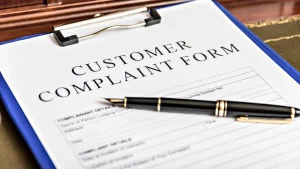
When you have a documented pattern, complaints can create a paper trail and sometimes trigger a response faster than phone calls.
Common options include:
- The Federal Trade Commission for scam reports and abusive patterns. Report fraud to the FTC.
- Your state Attorney General’s consumer protection office.
- The Better Business Bureau profile for the business you verified.
- Your state bar or licensing authority if the communication appears to involve attorney conduct.
Before you file, gather your call log, copies of letters, and any screenshots. A complaint with attachments is more useful than a general narrative.
Get Help With Harassment
If you believe Shindler & Joyce debt-collection contact has crossed the line, legal support may help you organize your evidence, demand proof correctly, and respond to deadlines without guessing.
Consumer Rights Law Firm PLLC helps consumers respond to collection pressure with a proof first plan. If calls or letters feel excessive, confusing, or aimed at the wrong person, the firm can review notices, voicemails, and credit reports, then help you request validation and put disputes in writing.
When a matter involves a lawsuit, garnishment risk, or an older judgment, they can help you understand deadlines and options so you do not guess under stress. They may also evaluate whether facts support claims under the FDCPA, TCPA, or FCRA, depending on what happened. They can also communicate with the collector, send limited-contact letters when appropriate, and help you preserve a call log and complete paper trail for your records.
Consumer Rights Law Firm PLLC
133 Main Street, Second Floor, North Andover, MA 01845
Phone: +1 877-700-5790
Email: help@consumerlawfirmcenter.com
Success Stories
Had no fees or costs come out of my pocket!
Would definitely go back to them if anything else comes about.
Thank you so much! Derek also!
Common Questions About Shindler & Joyce
Who is Shindler & Joyce?
Shindler & Joyce is a name used by a collections-focused law office that may contact you about an alleged debt or legal enforcement. Verify the exact legal name and address on your notice before you respond.
What is Shindler & Joyce Phone Number?
Public sources list multiple numbers. A BBB listing includes (847) 537-1000 and a toll-free (800) 550-9553, but you should still confirm the number matches your letter before calling back.
What should I do if I don’t recognize the debt?
Dispute the debt in writing and request validation first. Avoid paying or confirming personal identifiers until the creditor, amount, and dates match documentation.
Can a collector contact my employer?
Collectors generally should not discuss your debt with unauthorized third parties. Workplace calls after you say your employer prohibits them could indicate a compliance issue depending on what was said and who was contacted.
How many calls are “too many”?
The “too many” question depends on context, but Regulation F includes a call-frequency presumption tied to a specific debt. A call log helps you show patterns clearly if contact feels excessive.
Can I ask them to stop calling?
Yes. A written request to limit or stop communication can reduce calls, but it can also change what the collector does next, so consider legal guidance if a lawsuit or judgment is possible.
Is it safe to pay online to Shindler & Joyce?
Online payment can be safe if you verify the website and the account first. Use the firm’s published pages to reach the payment portal and keep receipts.
What do reviews and complaints show?
BBB profiles and public complaint forums can show themes, but they are not court findings. Use review sources to spot patterns, then rely on written documents and your records for decisions.
What can harassment look like?
Harassment may include repeated calls, misleading pressure, or refusal to provide clear written details. If you believe the pattern is abusive, document everything and move communication to writing first.
When should I talk to a lawyer?
Talk to a lawyer if you receive court paperwork, face garnishment or account restraint, or believe collection behavior may violate the FDCPA, TCPA, or Fair Credit Reporting Act (FCRA).