


This guide explains how the Fair Debt Collection Practices Act New Mexico protects residents. Learn your rights, how to dispute debts, and what actions debt collectors can and cannot take against you.
Key Takeaways
- ➢ The Fair Debt Collection Practices Act (FDCPA) prohibits abusive debt collection methods and gives consumers the right to dispute debts within 30 days of notification.
- ➢ Fair Debt Collection Practices Act New Mexico (FDCPANM) enhances consumer protections against deceptive practices and requires timely remittance of collected funds by debt collectors.
- ➢ Residents of New Mexico have specific procedures to dispute debts and respond to collection lawsuits, emphasizing the importance of understanding the statute of limitations and maintaining clear documentation.
Overview of the Fair Debt Collection Practices Act (FDCPA)
The Fair Debt Collection Practices Act (FDCPA) was established to combat the widespread issue of abusive debt collection practices. Prior to its enactment, many debt collectors employed aggressive and often deceptive tactics to recover debts. Recognizing the need for consumer protection, the FDCPA aims to eliminate such practices and ensure fair treatment for all consumers. The act not only safeguards individuals but also promotes ethical behavior within the debt collection industry.
At its core, the FDCPA applies to debt collectors engaged in interstate commerce, meaning it covers any person or entity that collects debts owed to others. This includes collection agencies, lawyers who regularly collect debts, and companies that buy delinquent debts and then try to collect them. The FDCPA sets forth clear guidelines on how debt collectors should conduct themselves, prohibiting harassment and abusive communication. For instance, debt collectors cannot contact consumers at inconvenient times or places without prior consent. They are also required to provide validation of the debt and inform consumers of their right to dispute it.
One of the key provisions of the FDCPA is the right for consumers to dispute a debt within a reasonable period of 30 days of receiving notice from a collector. If the debt is disputed, the collector must cease collection efforts until they provide verification of the debt. This ensures that consumers are not wrongfully pursued for debts they do not owe.
These protections help to protect consumers while navigating interactions with debt collectors and shield themselves from unfair treatment.
Key Provisions of the Fair Debt Collection Practices Act New Mexico (FDCPANM)
Building on the federal FDCPA, the Fair Debt Collection Practices Act New Mexico (FDCPANM) offers additional protections tailored to the specific needs of New Mexico residents. The primary goal of the NMFDCPA is to safeguard consumers from predatory and deceptive debt collection practices that could otherwise cause significant financial and emotional distress.
Under the NMFDCPA, debt collectors are strictly prohibited from engaging in unfair or deceptive practices. This includes making false representations about the amount owed or using deceptive methods to collect debts. New Mexico residents benefit from a dual layer of protection, as they are covered by both federal and state laws that work in tandem to provide comprehensive rights and safeguards.
An important aspect of the NMFDCPA is its regulation of collection agencies. These agencies are required to remit collected funds to their clients within a specified timeframe, typically within forty days. Additionally, the act clarifies that a person collecting their own debts under a different name is not considered a collection agency, facilitating collection and ensuring clear definitions and accountability within the industry.
Knowing these key provisions allows New Mexico residents to safeguard themselves from abusive debt collection practices and seek recourse when such act their rights are violated.

Rights and Protections Under the FDCPA
The FDCPA grants consumers several important rights and protections designed to shield them from abusive debt collection practices. One of the most crucial rights is the ability to dispute debts:
- ➢ If a consumer believes a debt is incorrect or not owed, they have the right to challenge it within a specific timeframe.
- ➢ This dispute must be submitted in writing to ensure it is formally recognized.
- ➢ Once a dispute is filed, the debt collector must cease collection efforts until they can verify the debt.
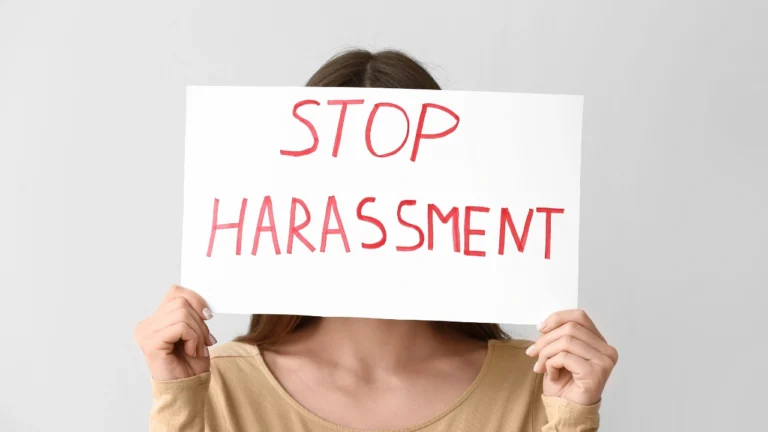
Another significant protection under the FDCPA is the right to request that debt collectors stop contacting the consumer altogether. If the consumer makes such a consumer requests, the debt collector must honor it, although they may still notify the consumer of specific actions, such as filing a lawsuit. This can provide much-needed relief from the constant harassment and pressure that often accompany debt collection efforts.
Debt collectors are restricted in the following ways:
- ➢ They cannot contact consumers at inconvenient times or places without prior consent.
- ➢ They cannot threaten violence.
- ➢ They cannot use abusive language.
- ➢ They cannot engage in other forms of harassment.
Furthermore, consumers have the right to be informed if their debts are reported to credit agencies, ensuring transparency in the debt collection process. Debt collectors are required to provide certain details regarding the delinquent account. This must be done when consumers request the information. These protections collectively ensure that consumers are treated with respect and fairness throughout the debt collection process.
How to Dispute a Debt Collection Attempt in New Mexico
Disputing a debt collection attempt in New Mexico requires a clear and methodical approach. The steps are:
- Send a dispute letter to the debt collector via certified mail. This provides proof that the dispute was sent and received, which is crucial if the matter escalates.
- In the dispute letter, clearly state your reasons for disputing the debt.
- Request verification from the debt collector.
Once the dispute is filed, the following steps occur:
- ➢ Debt collectors are mandated to respond with verification of the debt within a specified timeframe.
- ➢ This verification must include details about the debt and the collector’s authority to collect it.
- ➢ If the debt collector cannot provide this verification, they must cease their collection activities.
This process ensures that consumers are not wrongfully pursued for debts they do not owe and allows them to challenge any inaccuracies in the debt claims.
Following these steps allows New Mexico residents to effectively dispute debt collection attempts and shield themselves from unfair practices. This process empowers consumers to take control of their financial situation and ensures that debt collectors comply with FDCPA and NMFDCPA regulations.
Responding to a Debt Collector’s Lawsuit in New Mexico
Receiving a lawsuit from a debt collector can be an intimidating experience, but it’s crucial to respond promptly to protect your rights. In New Mexico, you must:
- ➢ File a written Answer within 30 days of receiving a Summons and Complaint from a debt collector.
- ➢ Understand that this Answer is your formal response to the allegations made by the debt collector.
- ➢ Recognize that filing this Answer is essential in preventing a default judgment.
Failing to respond within the designated timeframe can result in a default judgment, which allows the creditor to automatically win the case and potentially garnish your wages or seize your assets. Therefore, it’s imperative to act quickly and carefully when responding to a debt collector’s lawsuit. In your Answer, you can assert affirmative defenses, such as disputing the validity of the debt or questioning the debt collector’s authority to collect it.
For cases in Magistrate Court handling claims under $10,000, specific court forms, such form, are available to guide you through the process. Understanding the legal process and your rights enables you to effectively serve legal process in response to a debt collector’s lawsuit and protect your financial interests.

Statute of Limitations on Debt in New Mexico
Understanding the statute of limitations on debt in New Mexico is crucial for both debtors and creditors. The statute of limitations determines how long creditors have to initiate legal action to collect a debt. In New Mexico, this period ranges from four to ten years, depending on the type of debt. For example, credit card debts are subject to a four-year statute of limitations, while debts tied to written contracts have a six-year limit.
State tax debts have a longer statute of limitations, set at ten years. Once the statute of limitations on a debt lapses, the debt becomes time-barred, meaning it cannot be recovered through a lawsuit. However, it’s important to note that even after the statute of limitations has expired, debt collectors can still contact you regarding the debt. They just can’t take legal action to enforce it.
Knowing the statute of limitations on your debts can help you make informed decisions about how to handle them. It can also protect you from being sued for old debts that are no longer legally enforceable. Knowing these time limits helps you navigate the debt collection process and safeguard your financial well-being.
Settling Your Debt in New Mexico
Negotiating and settling your debt, such debt owed can be a practical solution to avoid legal action and reduce the overall amount owed. Many creditors are willing to accept settlement offers around 60% of the total debt, as this can be more cost-effective than pursuing legal action. The settlement process often involves multiple rounds of offers and counteroffers before both parties agree on the terms.
If you cannot meet the typical 60% settlement amount, it’s important to offer what you can afford and explain your financial situation to such creditor, especially if you are unable to pay such amounts that have the same meaning. Transparency and honest communication can facilitate a more favorable settlement agreement.
Once a settlement is reached, ensure the following:
- ➢ All terms, including the payment amount and due date, are documented in a written agreement.
- ➢ This documentation provides legal protection and clarity for both parties involved.
- ➢ Notarizing the settlement agreement can add an extra layer of legal security.
Following these steps allows New Mexico residents to effectively negotiate and settle their debt directly, taking control of their financial situation and avoiding further legal complications.
Licensing Requirements for Debt Collectors in New Mexico
Operating as a debt collector in New Mexico requires proper licensing, which is enforced under the Collection Agency Regulatory Act. Collection agencies must submit initial and annual renewal applications to operate legally within the state. This ensures that they adhere to the regulations and standards set forth by the licensing authorities. A duly licensed collection agency manager must be in full-time charge of the agency and possess a manager’s license, as well as be a collection agency licensee.
Unlicensed operation can result in severe penalties, including potential felony charges for those acting as repossessors or running a collection agency without proper authorization. Complying with these licensing requirements allows debt collectors to operate within New Mexico’s legal framework, ensuring ethical and fair debt collection practices, including repossessing personal property.
Enforcement and Penalties Under NMFDCPA
Enforcement of the NMFDCPA is overseen by the director of the financial institutions division, who is responsible for investigating violations by collection agencies. The director has the authority to initiate investigations and take appropriate action against agencies that fail to comply with the NMFDCPA, including judicial enforcement. This includes the power to revoke licenses and impose penalties for non-compliance.
Operating a collection agency or acting as a repossessor without a proper license in New Mexico can lead to felony charges, while other violations of the NMFDCPA provisions are categorized as misdemeanors. These penalties serve as a deterrent against unethical practices and ensure that debt collectors operate within the bounds of the law.
Individuals or officers of entities conducting principal business without a proper license may face legal repercussions, highlighting the importance of adhering to licensing requirements. Such person engaged solely may be subject to penalties from the licensing department and the regulation and licensing department, as determined by a judicial or other authority, in accordance with their bona fide fiduciary obligation as a third person unincorporated organization, which is essential for maintaining corporate control and fulfilling their official duties.
Resources for New Mexico Residents Facing Debt Collection
New Mexico residents facing debt collection issues have access to several resources that can provide assistance and support. One of the primary resources is New Mexico Legal Aid, which offers help with consumer law problems, including debt collection harassment. Residents can contact New Mexico Legal Aid at 833-LGL-HELP to seek legal advice and representation.
In addition to debt collection issues, New Mexico Legal Aid also assists with other consumer-related problems, such as car purchase scams and foreclosure prevention. By utilizing these resources, residents can gain the support they need to navigate the complexities of debt collection and protect their rights.
Summary
Understanding the Fair Debt Collection Practices Act New Mexico Fair Debt Collection Practices Act (NMFDCPA) is essential for protecting yourself from abusive debt collection practices. These laws provide comprehensive rights and safeguards for consumers, ensuring fair treatment and ethical behavior by debt collectors. From disputing a debt to responding to a lawsuit, knowing your rights can empower you to take control of your financial situation.
Remember, you are not alone in this journey. Utilize the resources available to you, such as New Mexico Legal Aid, and take proactive steps to protect your financial well-being. By staying informed and exercising your rights, you can navigate the challenges of debt collection with confidence and peace of mind.

Consumer Rights Law Firm PLLC
If you’re facing aggressive or unlawful debt collection tactics in New Mexico, you’re not alone. The Fair Debt Collection Practices Act New Mexico’s additional consumer protection laws, shields you from harassment, intimidation, and unfair collection practices. Whether you’re dealing with excessive phone calls, misleading statements, or improper third-party disclosure, you have rights that every debt collector must follow.
At Consumer Rights Law Firm PLLC, we help New Mexico consumers stop abusive or illegal collection behaviors. Our experienced attorneys understand both federal and state debt collection laws and work to protect you from harassment while ensuring your rights are fully enforced. Since 2010, we’ve helped thousands of clients restore peace of mind and hold collectors accountable — and we proudly maintain an A+ rating with the Better Business Bureau.
If you want to learn more about your rights under the FDCPA in New Mexico or need immediate help, 📞call (877) 700-5790 or visit our website to get started.
Success Stories
-
I had an amazing experience with this law firm. They were extremely informative through out the whole process and my case was settled in just a little over a month. They won me 500 dollars and did not charge me anything! These people do amazing work helping people out.⭐⭐⭐⭐⭐
-
I stumbled across Consumer Rights Law Firm by chance and I am so grateful. They was very professional, and quick to take action. They got the harassing phone calls to stop. I didn’t have to pay them any up front costs or fees for their services. I highly recommend them to anyone dealing with threatening and harassing calls.⭐⭐⭐⭐⭐
-
I had a great experience with this law firm. They helped immediately stop the harassment from creditors I was receiving, and they guaranteed no out-of-pocket expenses in writing. I would recommend anyone being harassed by creditors contact this law firm. They are the best.⭐⭐⭐⭐⭐
Frequently Asked Questions
1. What is the Fair Debt Collection Practices Act in New Mexico?
The FDCPA is a federal law protecting New Mexico consumers from harassment, abusive language, threats, and unfair debt collection practices.
2. Does the FDCPA apply to all debt collectors in New Mexico?
Yes, it covers third-party debt collectors and collection agencies attempting to collect personal debts.
3. What types of debts are protected under the FDCPA?
It applies to personal, household, and family debts like credit cards, medical bills, and auto loans.
4. Can debt collectors call me at any time?
No. They are limited to calling between 8 a.m. and 9 p.m., unless you agree otherwise.
5. Are collectors allowed to harass or threaten me?
No. Harassment, intimidation, repeated calls, and abusive language are illegal under the FDCPA.
6. Can collectors contact my employer or family?
Collectors cannot discuss your debt with them—they may only reach out to verify your contact information.
7. Can I request proof of the debt?
Yes. You can request written verification within 30 days of the collector’s first notice.
8. What happens if a collector violates the FDCPA?
You may file a complaint and potentially recover damages with the help of an attorney.
9. Can a collector sue me for old debt in New Mexico?
Collectors can only sue within the statute of limitations. Lawsuits for expired (time-barred) debt are illegal.
10. How can I get help for debt collection harassment in New Mexico?
Work with a consumer rights attorney to stop harassment, protect your rights, and hold collectors accountable.